

Purse & Crossbody Styling
How purse and crossbody shapes sit against everyday outfits, and what strap length and closure really change about the way a bag carries.
Shape map
Six purse and crossbody shapes, and how each one sits on a body
Vera Bradley purses are built around soft, rounded volumes, so shape and drop length decide more about an outfit than the print does. The rows below read left to right: the shape, where the bag rests when you stand still, what the strap does through a normal day, and what the closure asks of your hands. Use it as a starting filter before you look at any single bag.
Vera Bradley has built its purses around this same soft, printed construction for years, so the differences between shapes show up in strap hardware and closure type rather than in stiff structure. That is useful: the strap is the part you touch every day.
Strap length decides the whole look
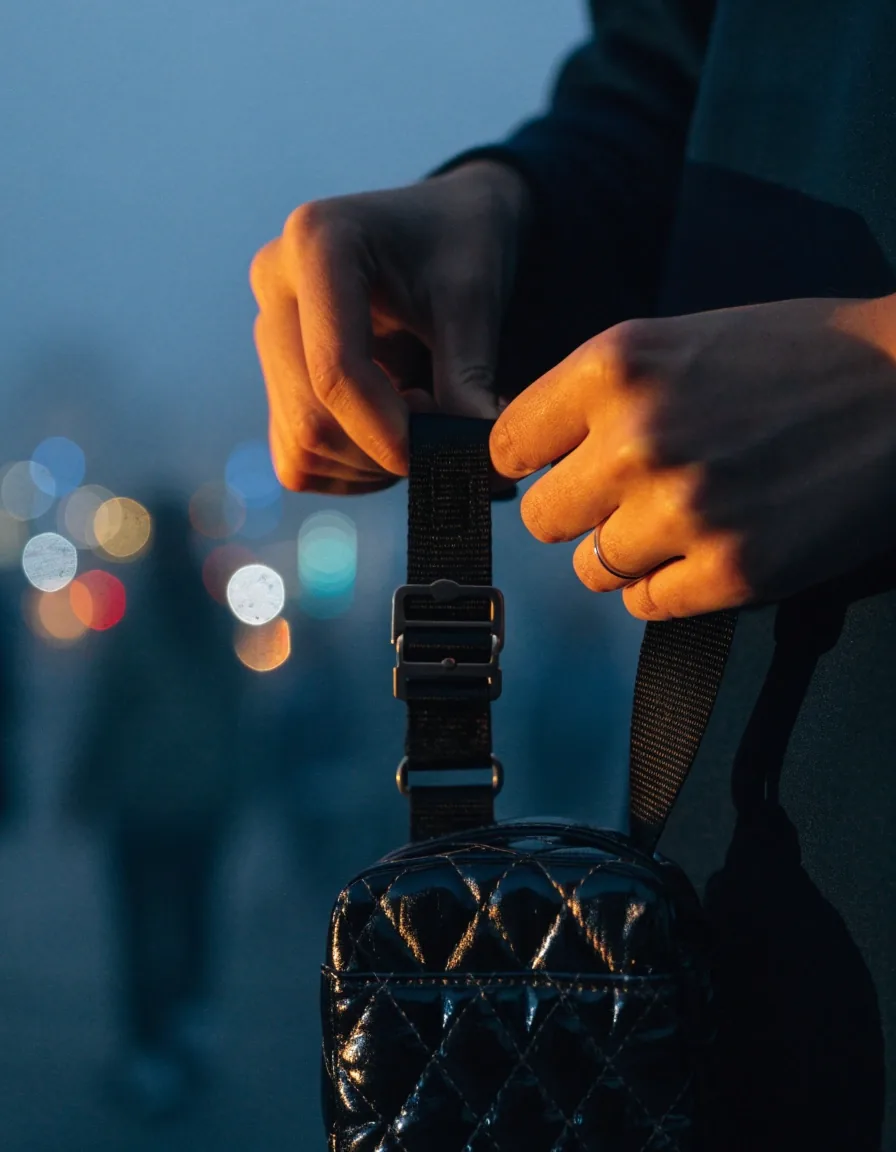
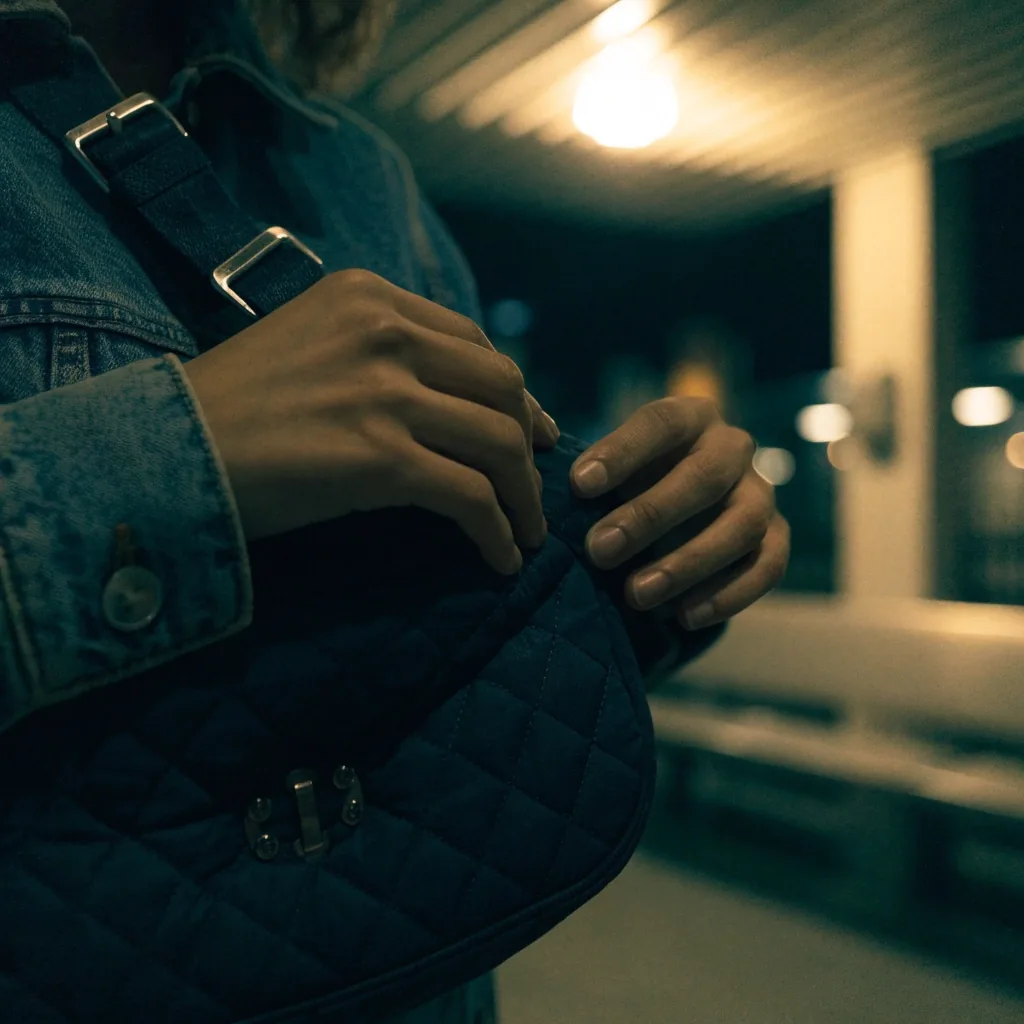
Crossbody straps are usually the only adjustable part of a purse, which makes them the one setting you can tune to a specific outfit. A strap shortened until the bag sits just above the hip reads dressier and keeps the bag still while you walk. Let it out until the bag hangs at the widest part of the hip and the same purse reads more casual, moves more, and swings further out from the body.
A useful check before you leave: put the bag on, drop both hands, and look at where the base sits. If it lands at the hip bone, the strap is at its most flattering point for a coat or a blazer. If it rests against the thigh, you have room to shorten it by one notch and pick up some polish without changing anything else you are wearing.
Shoulder straps are less forgiving. A fixed drop of roughly 20–24 cm clears a light knit but catches on a puffer or a heavy wool coat, and that friction is the main reason a bag feels like it fights you in winter. If a purse has a fixed shoulder strap, plan it for the seasons you wear lighter layers and keep a crossbody strap in the rotation for the rest of the year.
Pairing a purse with an outfit
Shape is what the eye reads first, print second. Three pairings that work almost every time, and the reason each one holds.
Tailored layers
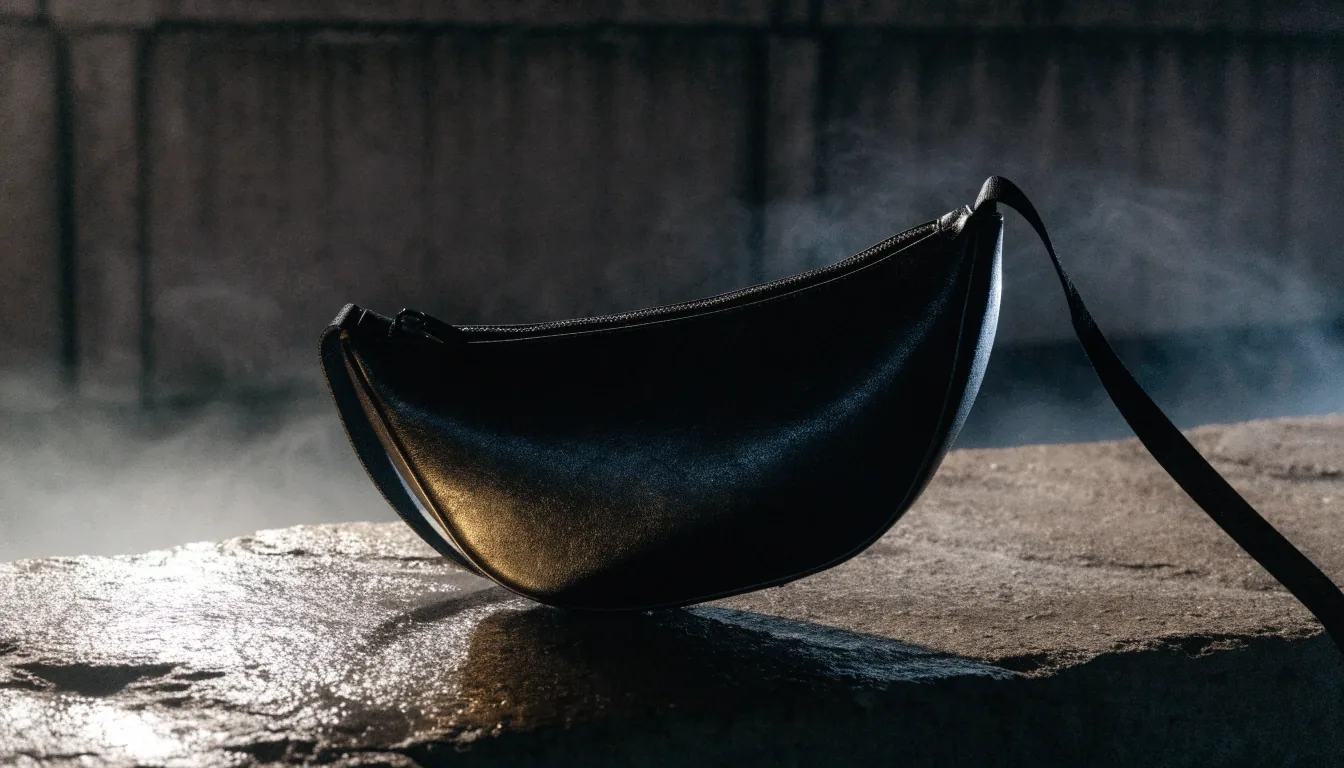
Crescent shoulder bag over a blazer
The curved base echoes the line of a lapel and sits high enough to clear a structured shoulder. Keep the strap short so the bag does not fight the jacket's shoulder seam.
Denim and tees
Small crossbody across a relaxed shirt
A crossbody cuts a diagonal across a loose silhouette, which stops a roomy shirt from reading shapeless. Let the bag sit at the hip rather than high on the chest so the line stays long.
Long coats
Hobo worn under the coat, not over it
A soft hobo flattens enough to sit under a long coat, and the mid-torso drop keeps the bag from crowding the coat's closure. Over the coat it can pull the front out of line.
Closures are a daily decision, not a detail
A zip top keeps everything in when you set a purse down on a bench or a car seat, and it is the closure that survives the most handling over years. A flap with a magnetic snap opens faster and closes with less attention, which suits a bag you reach into often. A clasp reads dressier and asks you to use two hands.
There is no right answer here, only a question of how you use the bag. If you are carrying a phone, keys and a card holder and you are in and out of the purse all day, a flap is easier on the wrist. If the purse carries a tablet or a small camera, choose the zip. If it is for evenings, the clasp earns its extra second.
Straps and hardware, up close
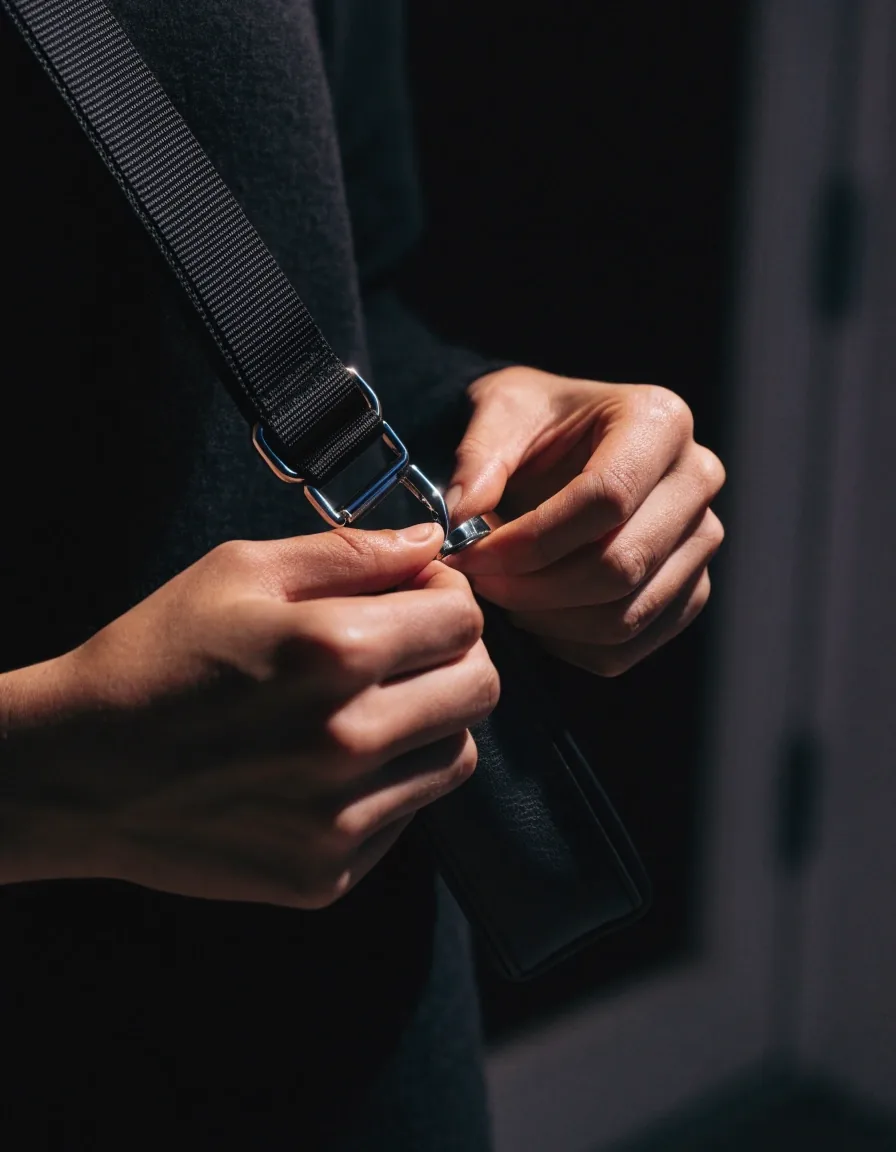
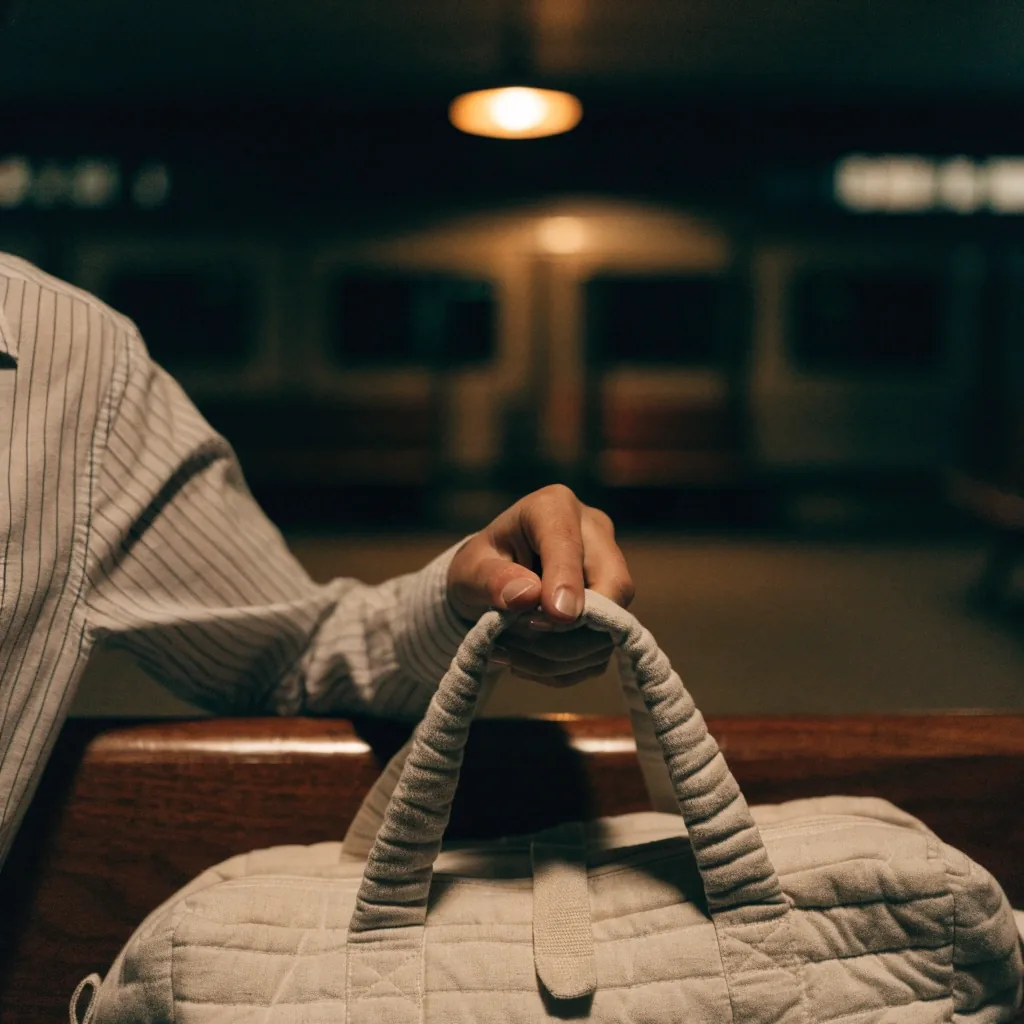
Three parts of a purse take the most load. Look at these before the print, because they are what you will notice in the second year rather than the second week.

Questions readers send about purses and crossbody bags
How long should a crossbody strap actually be?
Long enough that the bag clears your natural arm swing, short enough that it does not bounce against the thigh while you walk. In practice most people land between a drop that puts the base at the hip bone and one that puts it an inch below. Start there, then shorten a notch at a time until the bag stops moving more than you want it to.
Does a chain strap hurt after an hour?
A thin chain concentrates weight on a narrow band across the shoulder, so it starts to feel heavy sooner than a flat webbing strap carrying the same load. That is fine for a short evening out and less comfortable on a full day of walking. If the strap is detachable, keep a webbing one on hand for long days and swap the chain in for the evening.
How do I stop a purse from swinging while I walk?
Two adjustments do most of the work: shorten the strap so the bag sits closer to the body, and make sure the strap runs across the front rather than letting it fall toward the back, where it has more room to move. On a bag with a wide webbing strap, the extra surface area also grips the shoulder and cuts down on the swing.
What should I check before I commit to a shape?
Set the strap where you would actually wear it, fill the bag with what you normally carry, then walk a few steps and reach into it without looking. If your hand finds the opening easily and the strap has not moved, the shape is right. If you are already re-adjusting, no print or finish will fix it.
Do purse shapes change how much a print reads?
Yes. A quilted or softly gathered surface breaks a print into small panels, so a busy pattern reads calmer than the same pattern on a flat panel. On a structured camera bag the print stays legible and the shape dominates. If you want the print to lead, choose the softer silhouette; if you want the shape to lead, choose the flat one.
Keep reading the shape guides
Vera Bradlay Day is an editorial resource for Vera Bradley backpacks, duffel bags and purses. There is nothing to buy here. The guides cover how each shape carries, what the materials do over time, and which details are worth checking before you settle on one.