
A small desk that reads the same bags you do
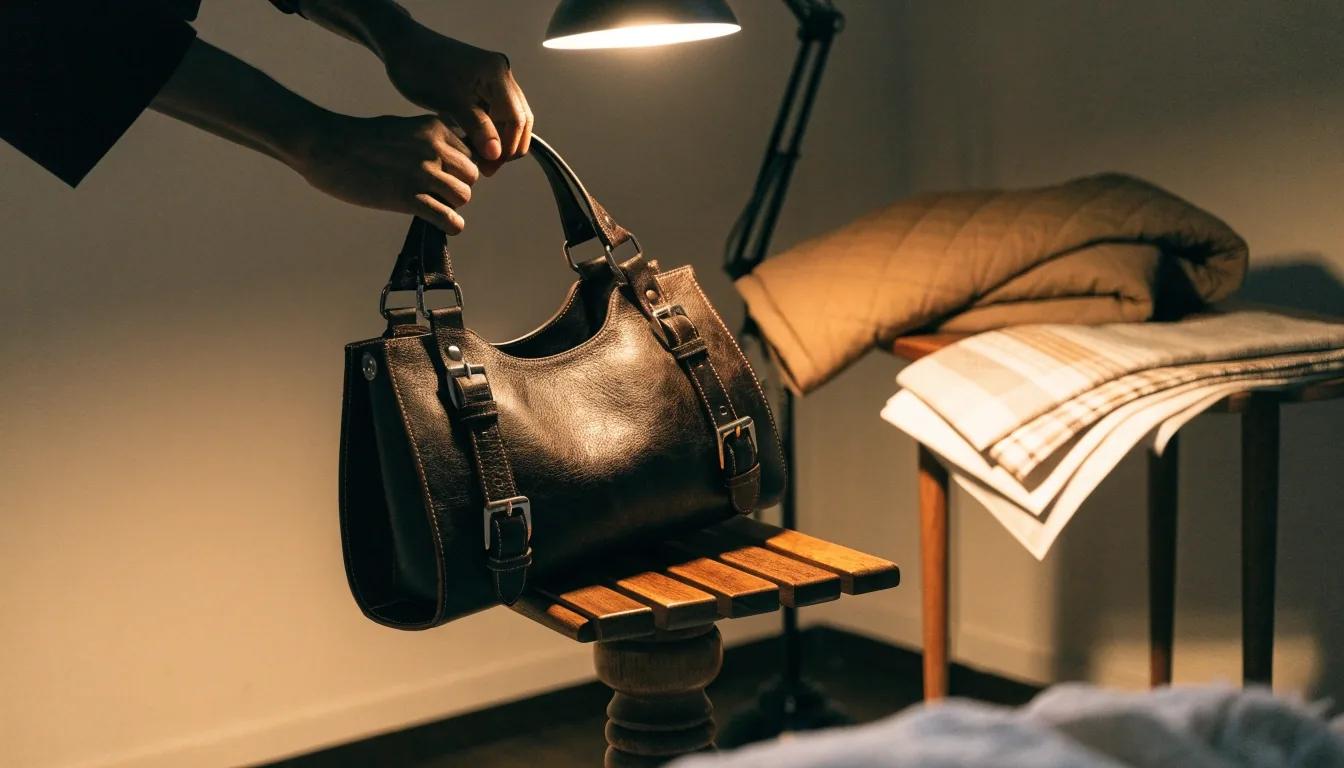
Vera Bradlay Day is an editorial resource about Vera Bradley backpacks, duffel bags, and purses. We are not a shop. Nothing here is listed for purchase, and no guide exists to push a bag into your hands. The work is reading, comparing, and explaining: how a carry strap sits on a shoulder after an hour, which lining wipes clean, how a print reads in daylight against a coat.
The desk is small by choice. Two writers handle the guides, one editor reads every draft against the standard below, and a photo editor stages the shoots. That is the whole team. We do not run sponsored placements inside guides, and we do not accept a bag brand's copy as our own description of a product.
Because we are independent, we say so plainly where it matters. When a guide mentions a bag, it is because the shape or the material teaches something a reader can carry into a decision — not because someone paid for the mention.
How a bag topic earns a guide
Every guide has to answer a question a reader already has. Before a topic reaches the desk, it has to clear four tests. If it fails one, it waits.
Reader question
Does a real reader need this answered this season?
The question appears in mail or search, not in our imagination.
Editor
Bag in hand
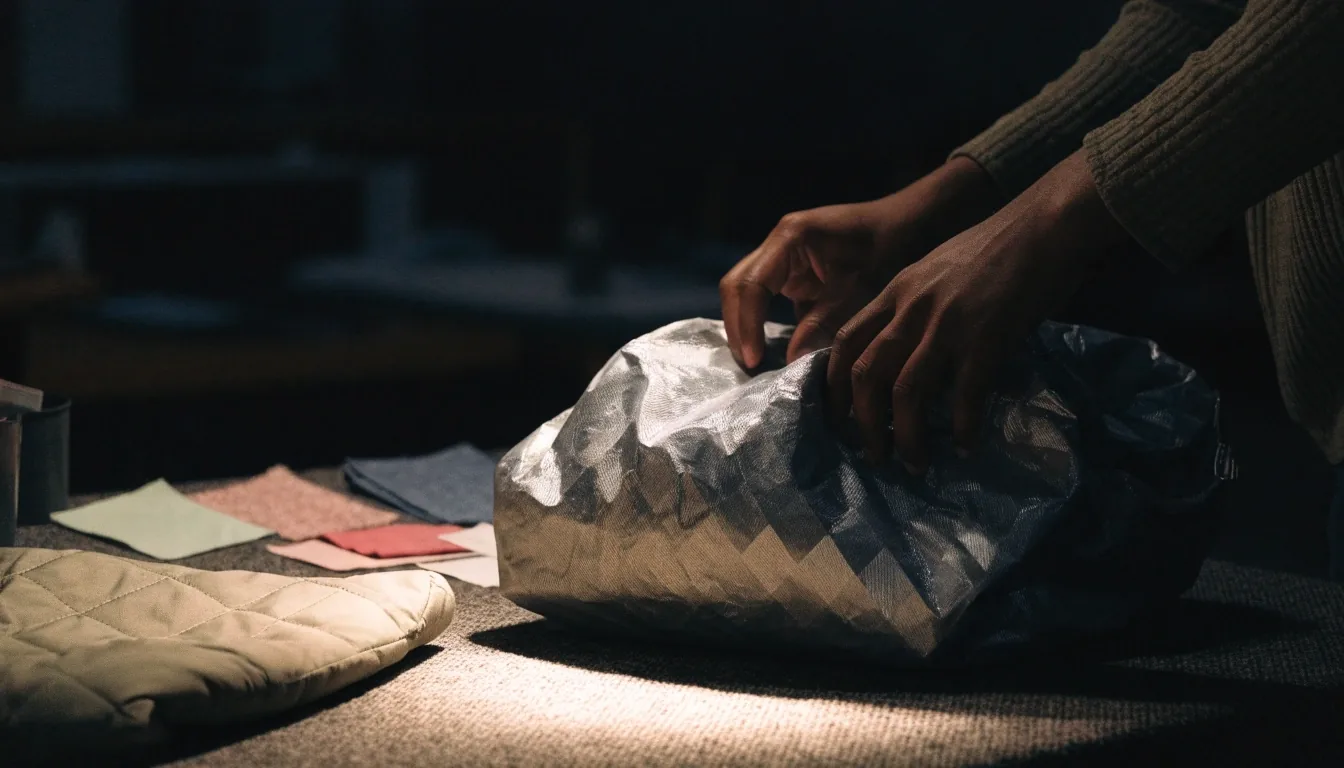
Can we carry, pack, and photograph the actual shape?
A bag sits with the desk long enough to note weight and hardware.
Writer
Material detail
Does the fabric, trim, or lining teach something reusable?
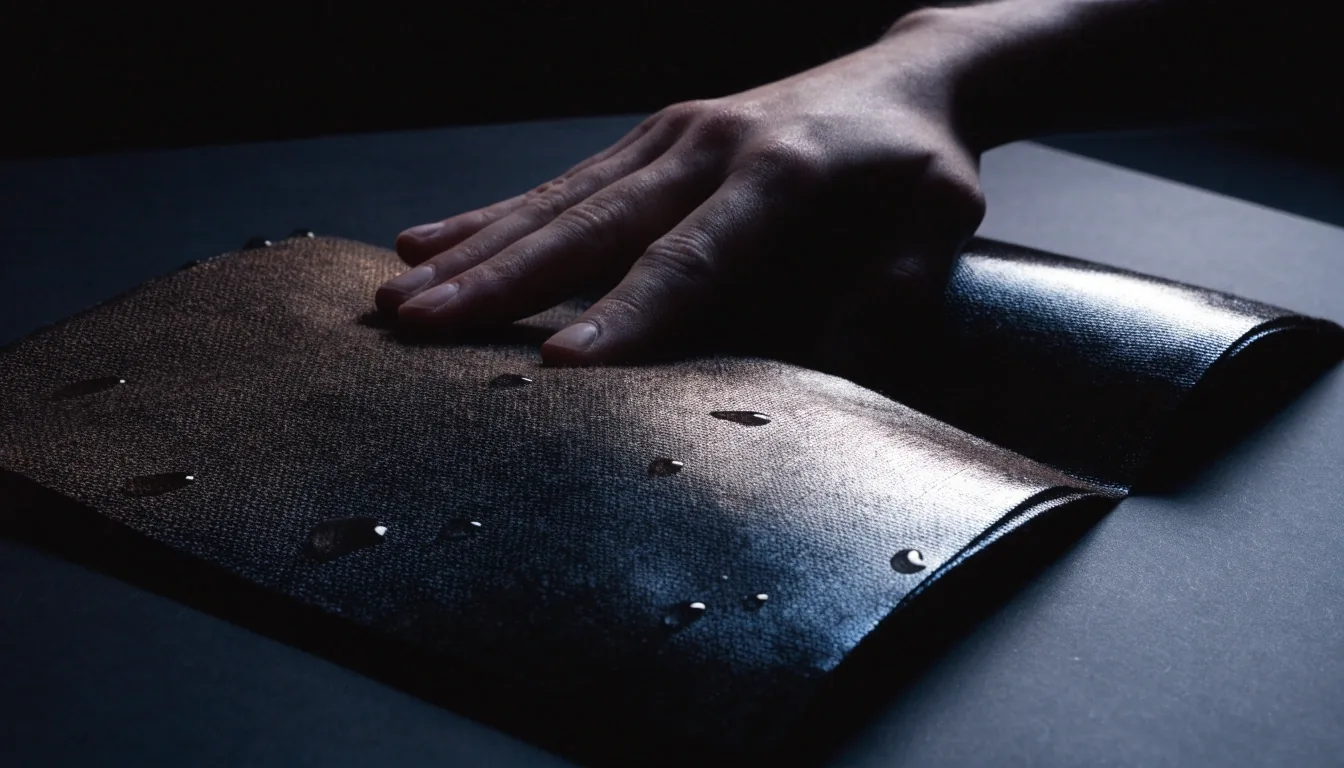
We can name the weave, the coating, and how it behaves in rain.
Writer
Independent sourcing
Can we describe it without leaning on a brand's own wording?
Everything in the draft is observed by us or cited to a named source.
Editor
Reader takeaway
Does the reader leave able to decide something?
The guide ends on a practical note, not on a compliment.
Editor
The standards a guide has to pass
Four rules hold across every page, from a backpack carry guide to a note on how a lining ages. They are not marketing lines. They are the reasons a draft gets sent back.
We carry the bag. A guide is written after the shape has been on a shoulder, in a car, on a train, or in rain. If we cannot hold it, we say what the guide is based on instead — published material, a store visit, or a reader's description — and we say so in the piece.
We name the limits. Every bag has a use it is wrong for. A roomy weekender is heavy when full. A soft crescent purse slouches when it is nearly empty. Those notes belong in the guide, near the praise, not hidden in a footnote.
We correct in public. When a detail is wrong — a measurement, a material name, a season — we fix it and add a dated line at the foot of the guide. Corrections are not deleted. They are part of the record.
We keep photography honest. Night shoots use the real bag in real weather. Nothing is lit to look brighter than it is, and nothing is added to a frame after the shoot beyond exposure and crop.
Send the desk a question
Readers shape a fair amount of what gets written here. If a backpack strap keeps sliding, a duffel will not fit a locker, or a purse lining has started to smell after a wet week, tell us. Those messages are how the topic list gets its next entry, and they are read Monday through Friday, 9:00 AM to 6:00 PM.
Write to [email protected] or call +1-212-555-0194. The desk is at 452 W Broadway, New York, NY 10012, USA. We answer with what we know, and when we do not know, we say that too.
Where to start reading
Four shelves, each with its own job. Pick the one that matches what you are deciding right now.
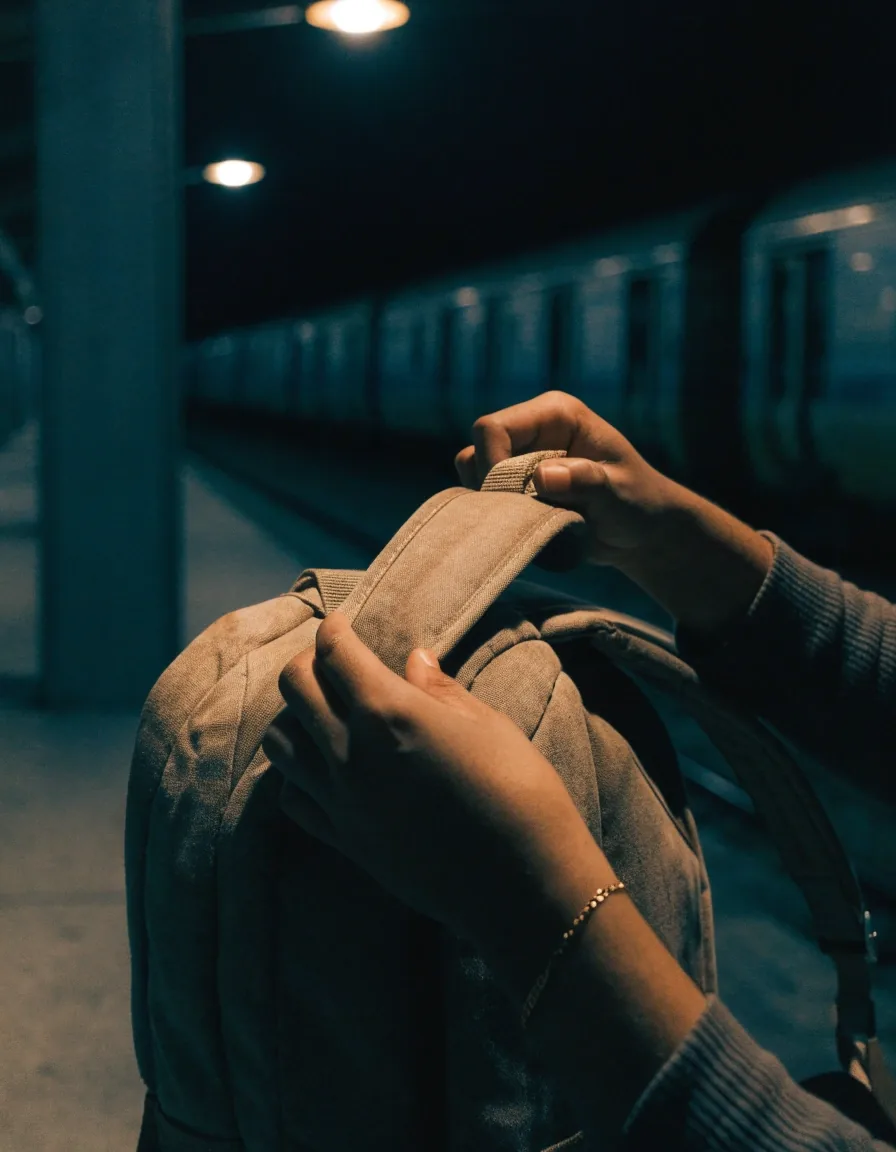 Backpack Carry Guide — strap fit, compartment load, and how a pack sits on a commute
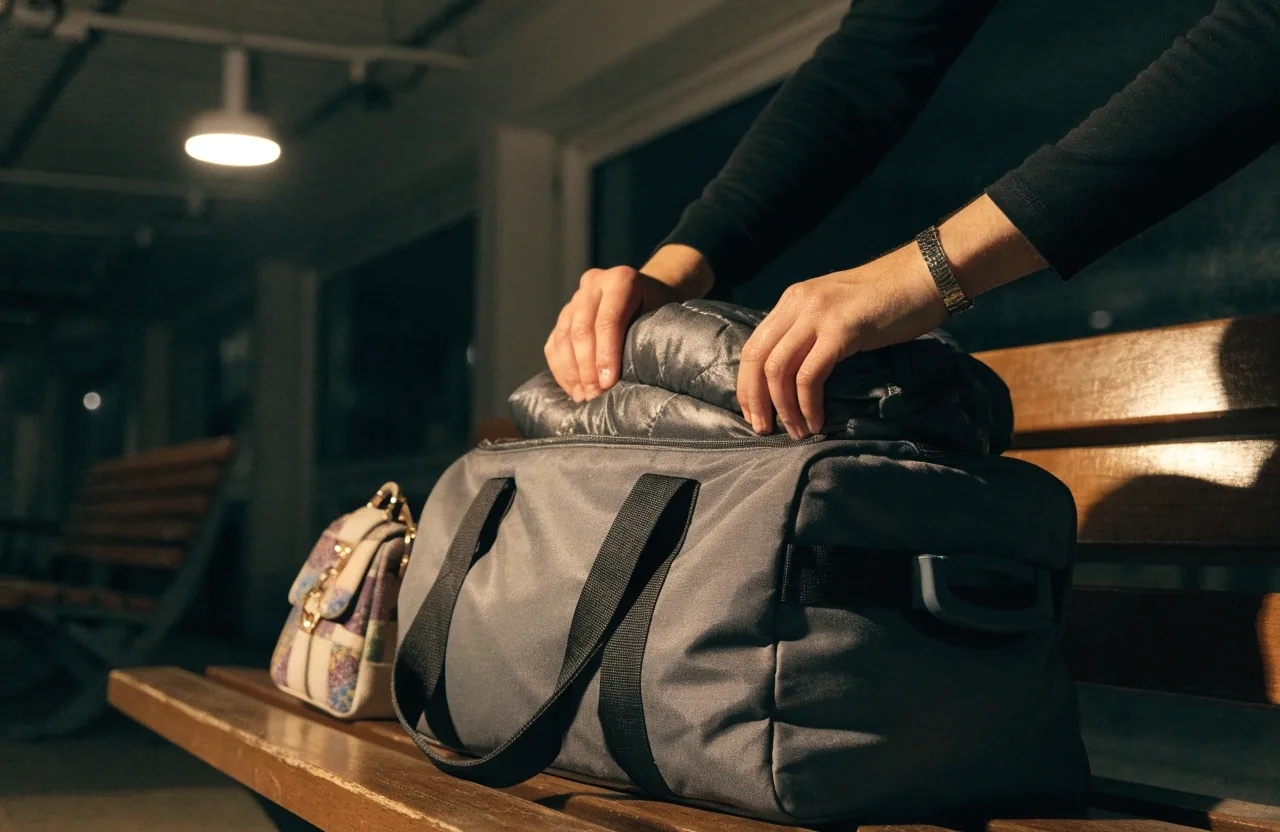 Duffel & Weekender Guide — packing volume, handle comfort, and a two-night load
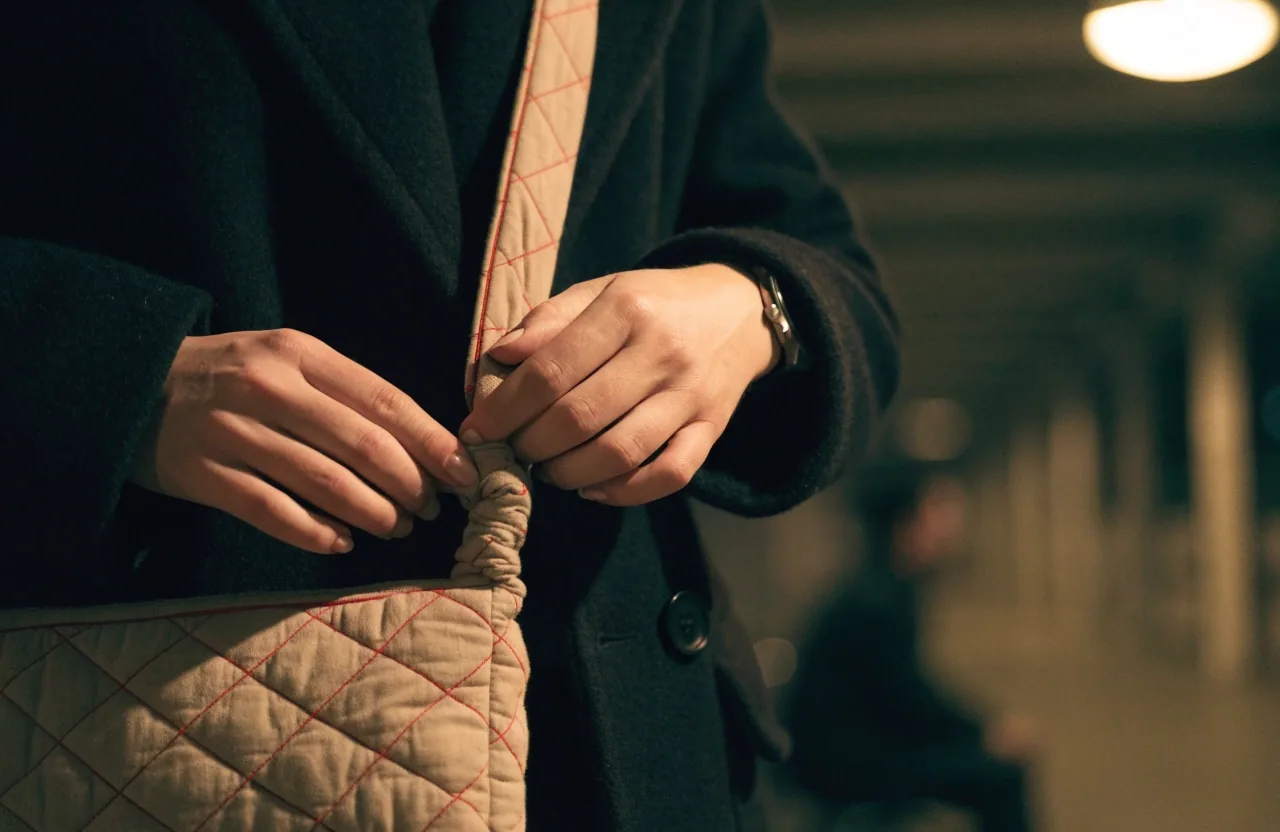 Purse & Crossbody Styling — strap drop, print balance, and day-to-evening shifts
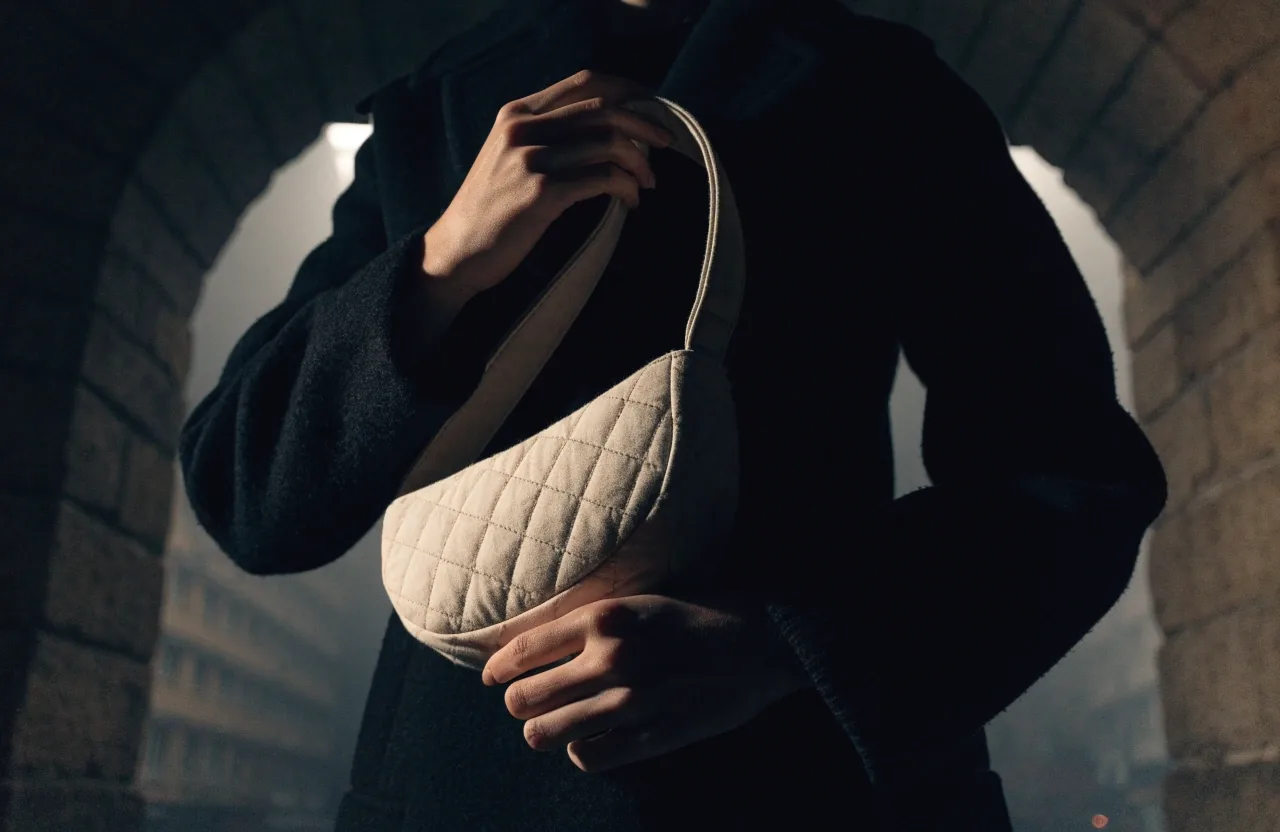 2026 Bag Trends — shape shifts we are watching this season, with the reasons behind them
Questions readers send us
Can I buy a bag from this site?
No. Vera Bradlay Day is an editorial resource. There is no cart, no checkout, and no product listing anywhere on the site. We write about Vera Bradley backpacks, duffel bags, and purses so a reader can decide what shape fits their day. Where to buy is a separate decision you make elsewhere.
How does the desk choose which bags to cover?
Reader mail comes first, then season timing. If several people ask how a backpack behaves on a long commute, that question gets a guide. If a duffel shape changes meaningfully this year, we look at what actually changed. We do not cover a bag because a brand asked us to.
Do brands pay for coverage on this site?
No. Guides are written and edited without paid placement inside them. When we describe a bag, the description comes from carrying it or from a named public source. If we ever need to note a relationship with a company, we put it in the guide itself, near the relevant paragraph.
Can I suggest a topic or send a correction?
Yes, and it is the fastest way to shape what we publish next. Send the note to [email protected] with the guide name and the detail in question. Corrections get a dated line at the foot of the guide when they are confirmed, and topic suggestions go onto the desk's list for the next planning pass.
Why are the photographs shot at night?
Because night light is honest about material. A single hard key shows how a coating sits on cotton and how a strap edge catches light, without the even wash of a studio floor. It also matches how these bags are actually used — after work, in rain, under a streetlamp.
Where to go next
If you came here to check who is behind the guides, the shortest path is to read one. The backpack carry guide covers strap fit and compartment load. The duffel and weekender guide covers packing volume and handle comfort. The purse and crossbody styling guide covers strap drop and print balance. The 2026 trends page covers shape shifts this season. Materials and Care Notes explains how the desk tests fabric before writing about it.
Everything on this site is free to read, and nothing on it is for sale. If a page ever reads like an advertisement, tell us — that is the correction we care about most.