
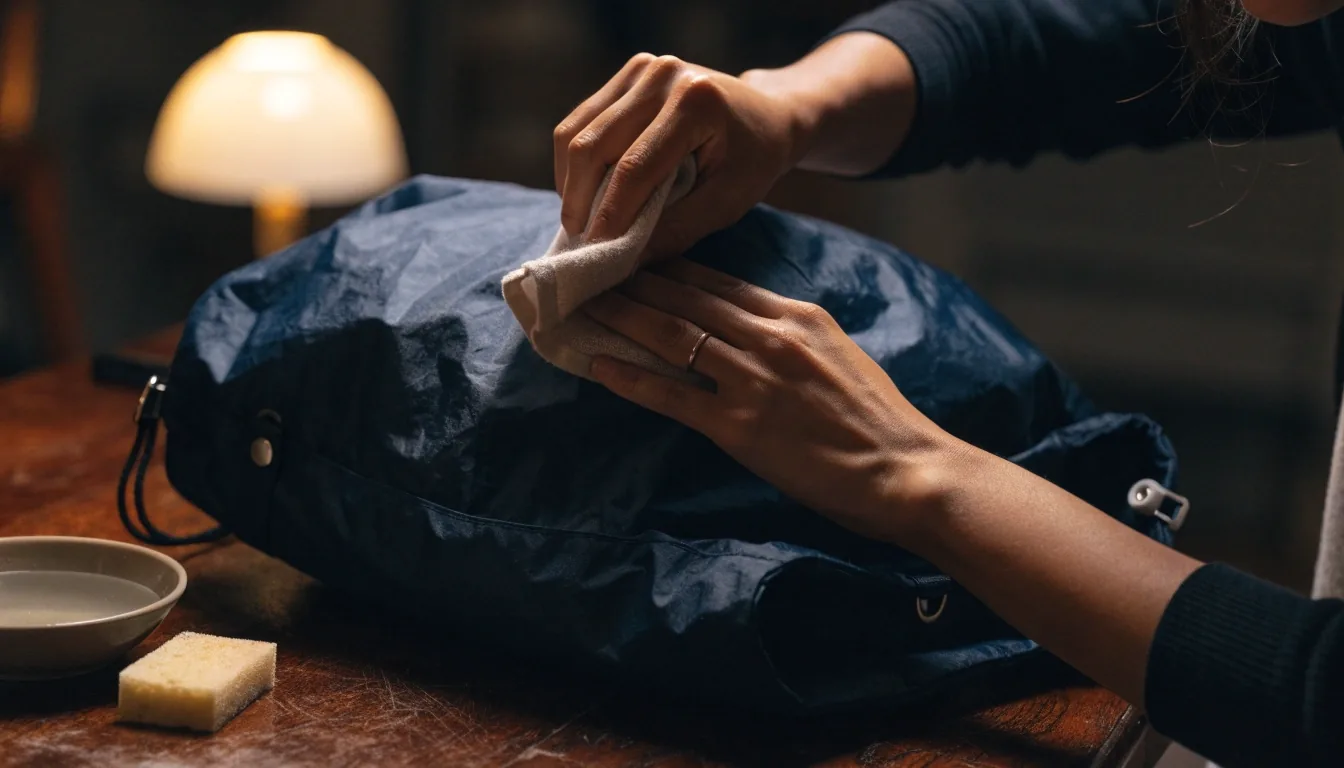
Fabric decides how a bag ages
Two bags can share a silhouette and still behave nothing alike after a year of daily commutes. The difference usually comes down to fibre, weave density and the finish applied to the outer shell — the three things that decide whether a fabric shrugs off rain, holds its shape in a tote, or softens into a relaxed slump that some people love and others do not.
This page compares the three material families you will meet most often across Vera Bradley backpacks, duffel bags and purses, and pairs each one with a care routine you can actually keep. Nothing here asks for specialty products or a shelf of sprays. Most of the work is done by how you store a bag between trips and how quickly you deal with a spill.
Read the comparison first, then jump to the routine that matches your bag. If you are still choosing between shapes, the carry guides on this site walk through strap geometry and packing before you commit to a material.
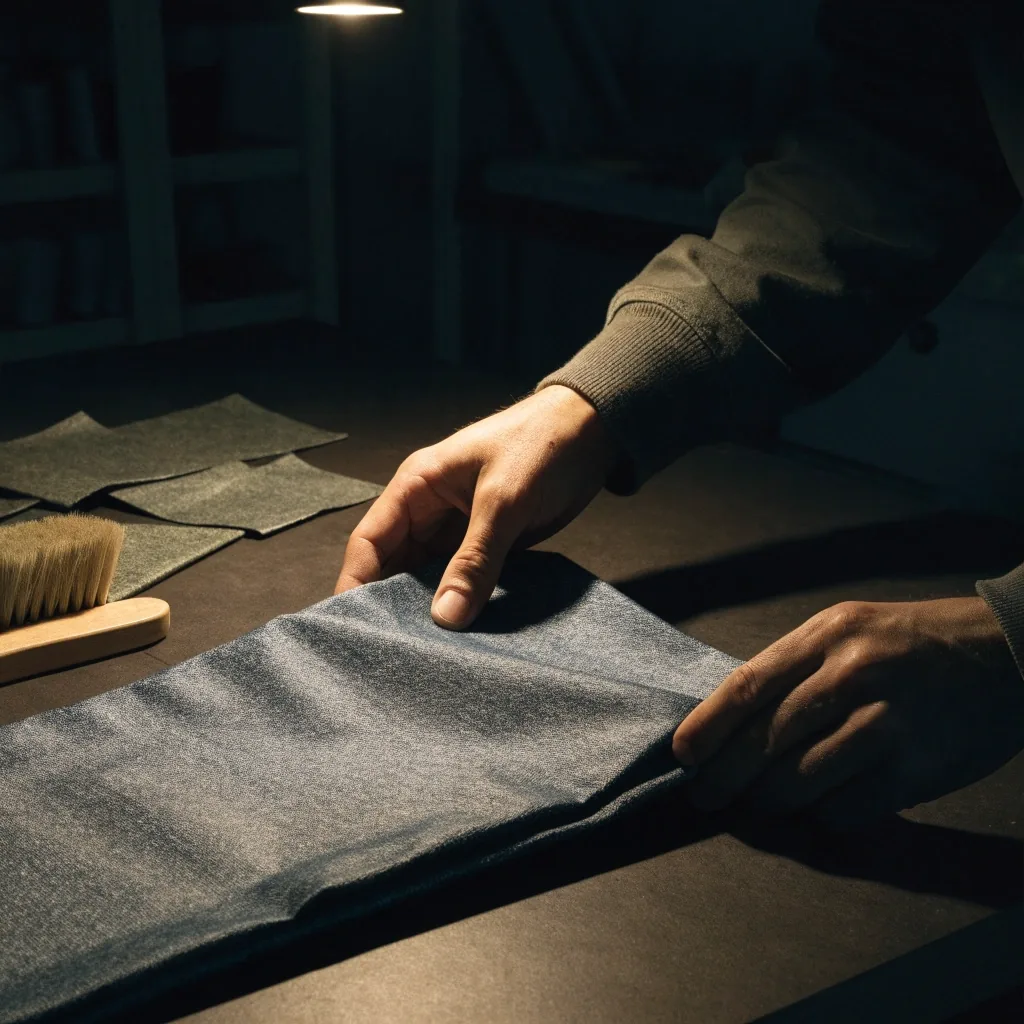
Premium cotton, folded and pressed
Three materials, compared side by side
Every row below answers the same four questions: how the fabric feels, how it handles weather, how much structure it keeps, and what care it asks for. Rates and weights vary between styles, so treat this as a starting point rather than a fixed specification.
Premium cotton
Soft from day one, softens further with wear, holds a relaxed shape
Soaks up light rain; needs a re-proofing finish over time
Brush dry, spot clean by hand, air dry away from direct heat
Performance twill
Tighter hand, crisper edges, keeps a boxy silhouette in a tote or backpack
Sheds a light shower; wipe-off finish on the surface
Wipe with a damp cloth, avoid scrubbing the finish, air dry flat
Featherweight fabric
Very light, packs down flat, folds into its own pouch
Dries quickly if caught in rain; thin face can scuff
Hand wash gently, never wring, hang to dry
If you are comparing shapes rather than fabrics, the backpack carry guide and the duffel and weekender guide break down strap fit and packing volume in the same plain terms.
A care routine you will actually keep
The routines that work are short. A bag that gets five honest minutes once a month looks better after two years than one that gets an hour of deep cleaning once a season, because the damage that shows up first is not dirt — it is grit ground into the weave at the base corners and along the zipper tape.
Start by emptying every compartment, including the small interior pockets where receipts and hair ties collect. Turn the bag upside down over a bin and run your fingers along the seams. A soft brush — an old toothbrush works well — clears the dust that a cloth just pushes deeper into the fibres.
Deal with spills the same day. Blot, never rub, and work from the outside of the mark inward so the stain does not spread. Warm water and a drop of mild soap on a cloth handle most everyday marks on premium cotton and performance twill. Featherweight fabric prefers a lighter touch: a barely damp cloth, then air.
Drying matters as much as cleaning. Air drying in a shaded, ventilated spot keeps shape and colour stable. Direct heat from a radiator or a dryer will shrink trim, warp stiffening panels and dull the surface finish on any of these fabrics.
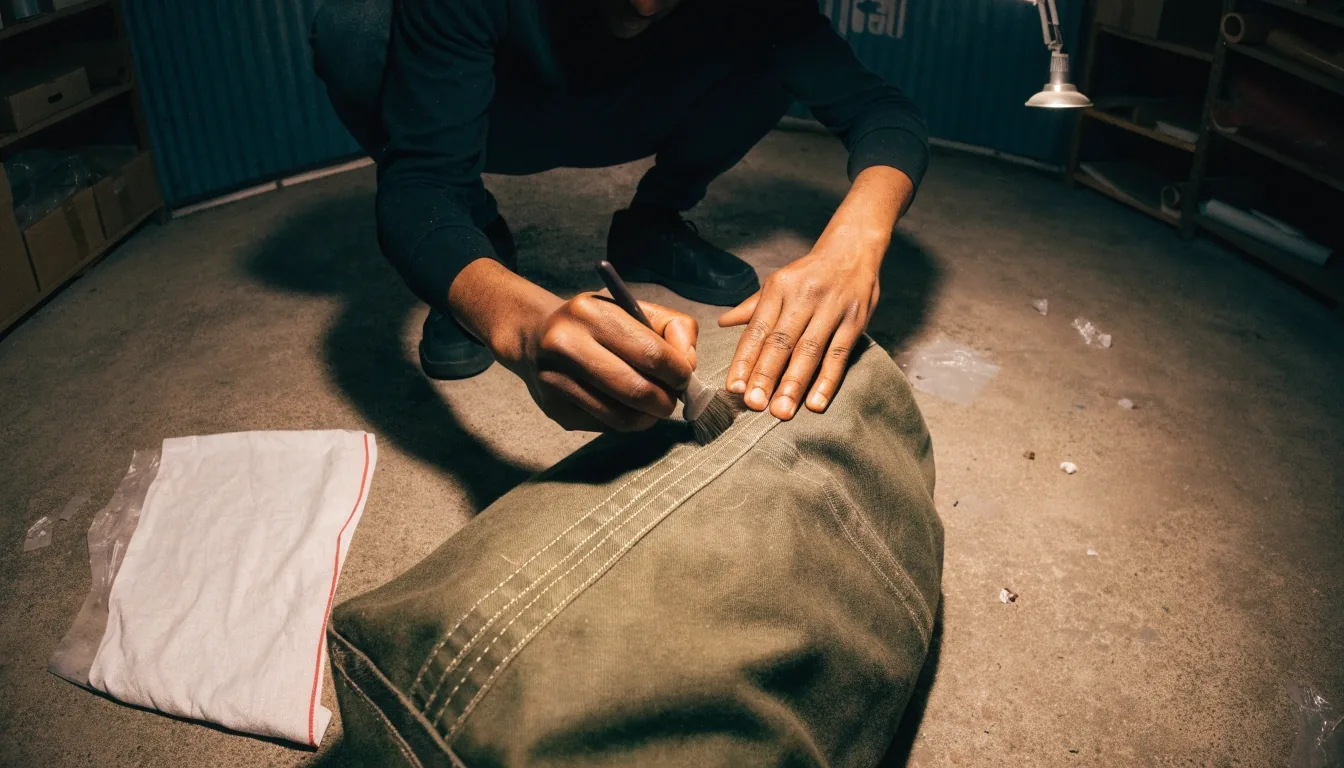
Handle and webbing, checked before storage
Storage decides next season's condition
Most bags are damaged between trips, not during them. A duffel bag crushed at the back of a closet for three months develops hard creases at the base that no amount of cleaning will lift. A backpack hung by one strap stretches the webbing on that side and leaves the other looking slack. A purse stacked under something heavier loses the curve that made it worth carrying.
Give each bag its own space, stuff the body loosely with a soft cloth or clean paper so the shape holds, and keep the straps arranged the way they sit when the bag is worn. Light and damp are the two conditions worth avoiding — a closed closet in a humid room is the worst place for any of these fabrics, cotton most of all.
What the surface tells you up close
Three details are worth learning to read on any bag: how the weave sits under raking light, how a zipper pull behaves when it is pulled off-axis, and how water behaves on the finish. Each one hints at how much care the fabric will ask for.
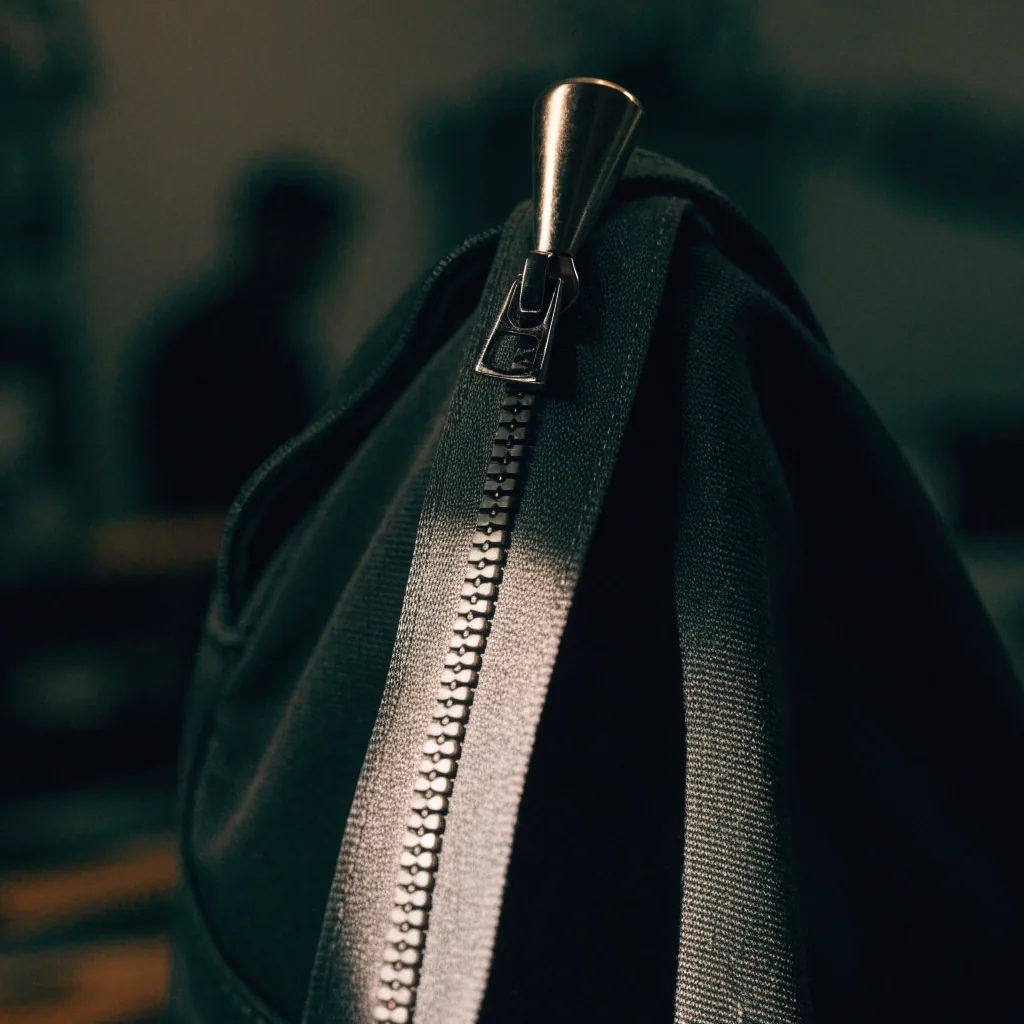
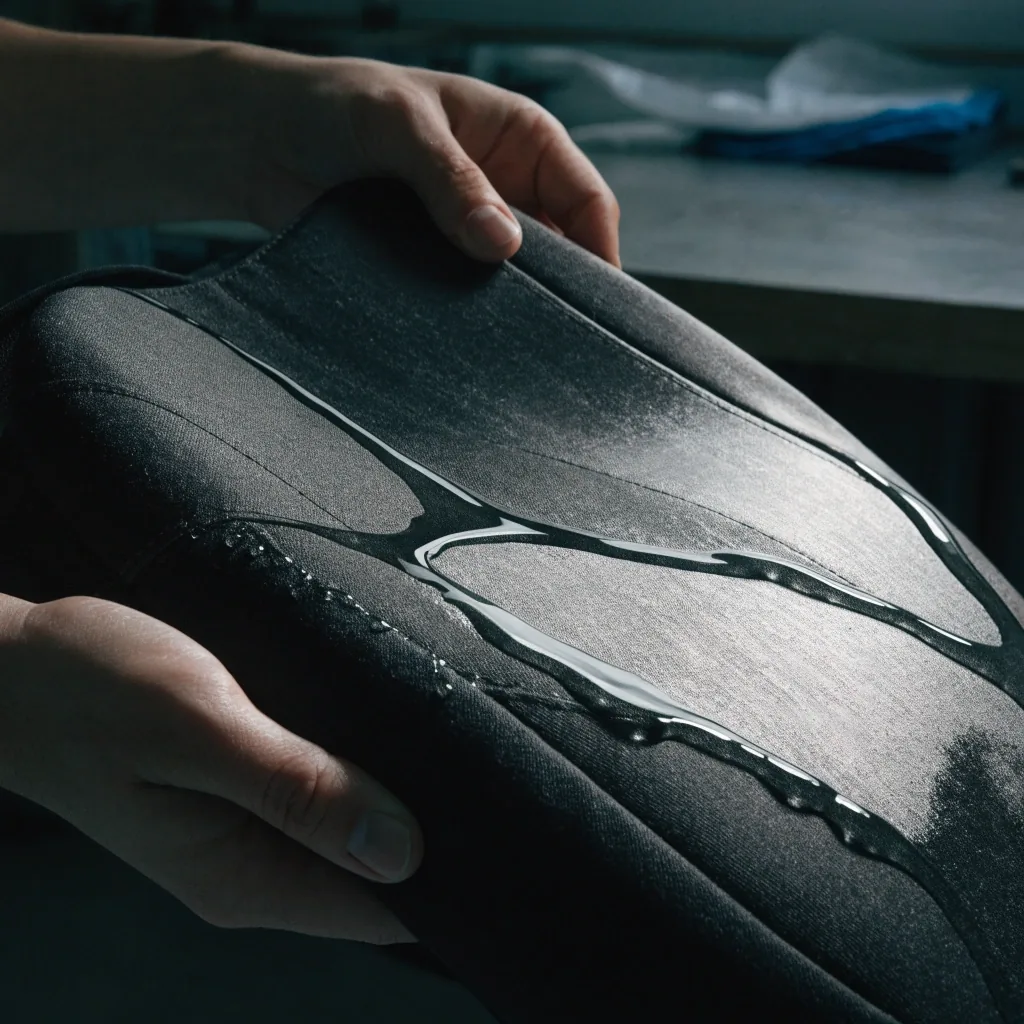
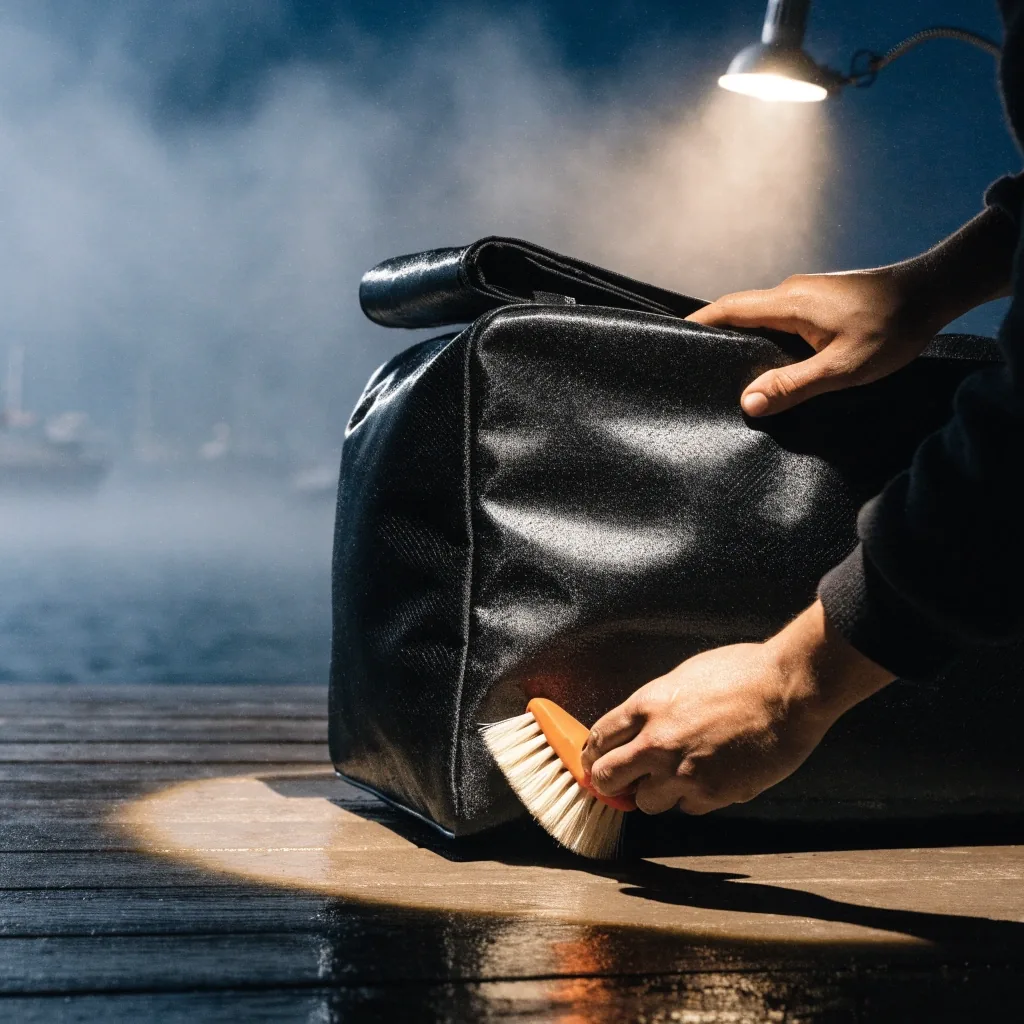
Base corners, where wear shows first
Care questions we hear most
Short answers to the things readers ask before they commit to a routine. If your situation is not covered here, the editorial desk is happy to talk it through.
Can I put a canvas bag in the washing machine? +
Hand washing is the safer route for premium cotton and featherweight fabric. Machine cycles agitate stiffening panels and trim, and the spin stage is what usually warps a base. If a bag carries a fabric care label, follow it over any general advice.
How do I clean a light mark on performance twill? +
A damp cloth and a drop of mild soap handle most marks. Wipe along the weave rather than against it, rinse the cloth, and wipe again with clean water. Skip abrasive pads — they dull the water-shedding finish that makes the fabric worth choosing in the first place.
Does re-proofing a cotton bag change how it looks? +
It can darken the fabric slightly and stiffen it for a day or two while it cures. Apply a thin, even coat on a clean dry bag and let it settle fully before you use it again. Test on a hidden panel first if the bag is a lighter colour.
How should I store a duffel bag between trips? +
Stuff the body loosely so the shape holds, keep the straps arranged as they sit when worn, and store the bag where air moves. Folding a duffel flat for months puts a hard crease across the base that stays visible long after the bag is unpacked.
Do leather trims and fabric shells need different care? +
Yes, and it is worth keeping the two apart. Clean the fabric shell first, let it dry completely, then condition the trim separately with a small amount of leather conditioner on a cloth. Water sitting on a leather handle is what causes most of the cracking people notice after a wet commute.
Where to go next
Once the material question is settled, the shape question follows. The styling pages on this site take each family in turn — how a crossbody sits against a coat, how a backpack distributes weight over a long walk, how a duffel bag packs for a two-night trip without losing its structure in transit.
The 2026 bag trends piece tracks which silhouettes are showing up in everyday wardrobes this year, and the editorial desk page explains how these guides are researched and updated. There is no shop here and nothing to buy — the site is a reading resource for people who already own a bag or are deciding what to look for.