Shape comes first, compartments come second
A backpack only works when its silhouette matches the way you actually move. A slim pack that tucks under an arm on a crowded train behaves nothing like a tall campus pack that swallows a laptop, a water bottle and a folded layer. Before you compare pocket counts, compare how the bag sits against your back and where the weight lands. Vera Bradley backpacks are built around soft, rounded shapes, so the fit question matters more than the spec sheet suggests.
The notes below walk through the four carry silhouettes we see most often, what each one holds comfortably, and how to read a compartment layout before you commit to it for a full semester or a full work week.
What this guide covers
- Four carry silhouettes and who each one suits
- Compartment layouts and what they hold
- Comfort checks for a commute or a campus day
- Materials that hold up in daily rotation
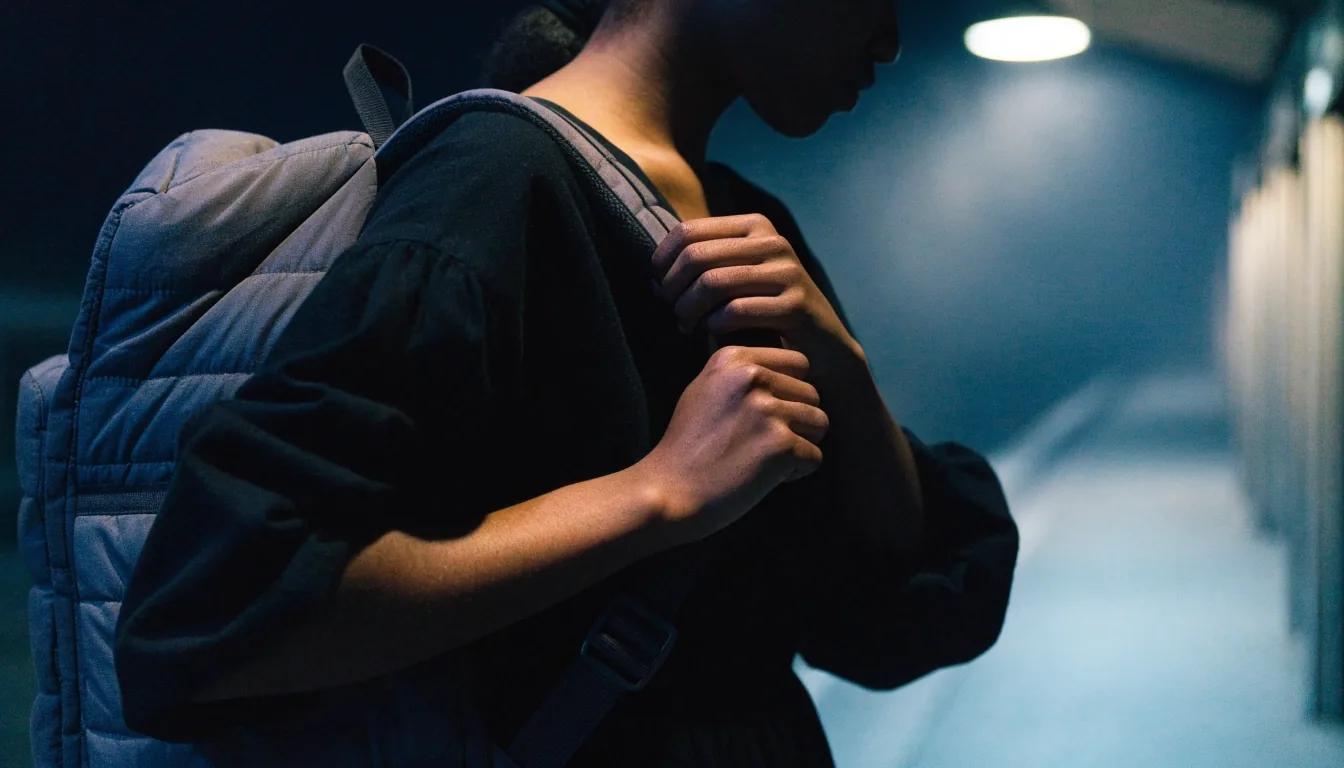
Berth one — the shape decides the load
Four carry silhouettes compared
Read this as a starting point, not a ranking. The right silhouette is the one that matches your load and your route. Comfort notes describe how each shape tends to sit on a shoulder, not a measurement of any single bag.
Two more shapes sit outside this table because they carry differently rather than hold differently: a duffel bag worn crossbody for a single short trip, and a tote-style backpack that opens flat. We cover both on the duffel and weekender guide.
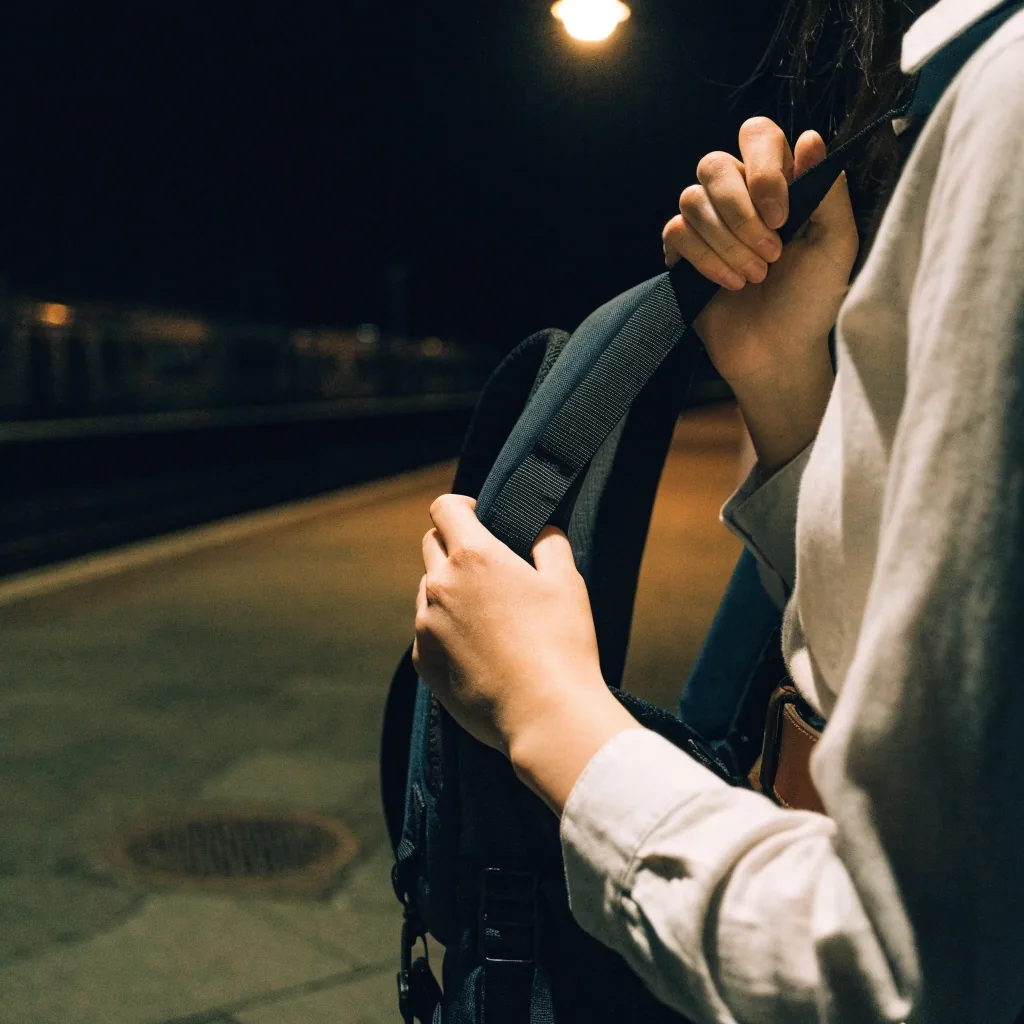
Berth two — how the load is carried
Reading a compartment layout
A compartment layout is a set of answers to questions you have not asked yet. Where does the laptop go when the bag is standing up? What happens to a water bottle when the pack is only half full? Which pocket do you reach into without looking? Walk through a layout in that order and the differences between two similar-looking packs become obvious in seconds.
Start with the main cavity. A single open compartment with a padded sleeve at the back is the most flexible arrangement and the easiest to live with day to day, because it adapts as your load changes. Two or three fixed dividers suit a fixed routine, but they waste space on the days you carry less.
Then check the second zone. A front organiser with slots for a phone, a card holder and a pen keeps small items from migrating into the main cavity. On a campus day that matters, because loose keys and earbuds are what actually scratch a laptop lid. Pockets that sit against your back stay flatter and are harder to reach while wearing the pack, which makes them a good place for items you only touch once or twice a day.
Finally, look at the outside. A side pocket that holds a bottle upright without stretching is worth more than an extra interior divider. A top zip that opens into the main cavity lets you pull out a folded layer without unpacking the whole bag, and it is the single most useful feature on a pack you carry every day.
Vera Bradley backpacks tend to use a roomy main cavity with a padded laptop sleeve and a small set of front slip pockets, which is the arrangement that survives the longest in real use. If you want the same thinking applied to smaller shapes, the purse and crossbody styling notes cover how those pockets work when the bag is worn across the body instead of on the shoulders.
Layout order to check
Main cavity, second zone, then the outside. If the first two work and the third does not, the pack will still annoy you by week three.
Related reading
Materials & Care Notes Purse & Crossbody StylingComfort checks before a long day
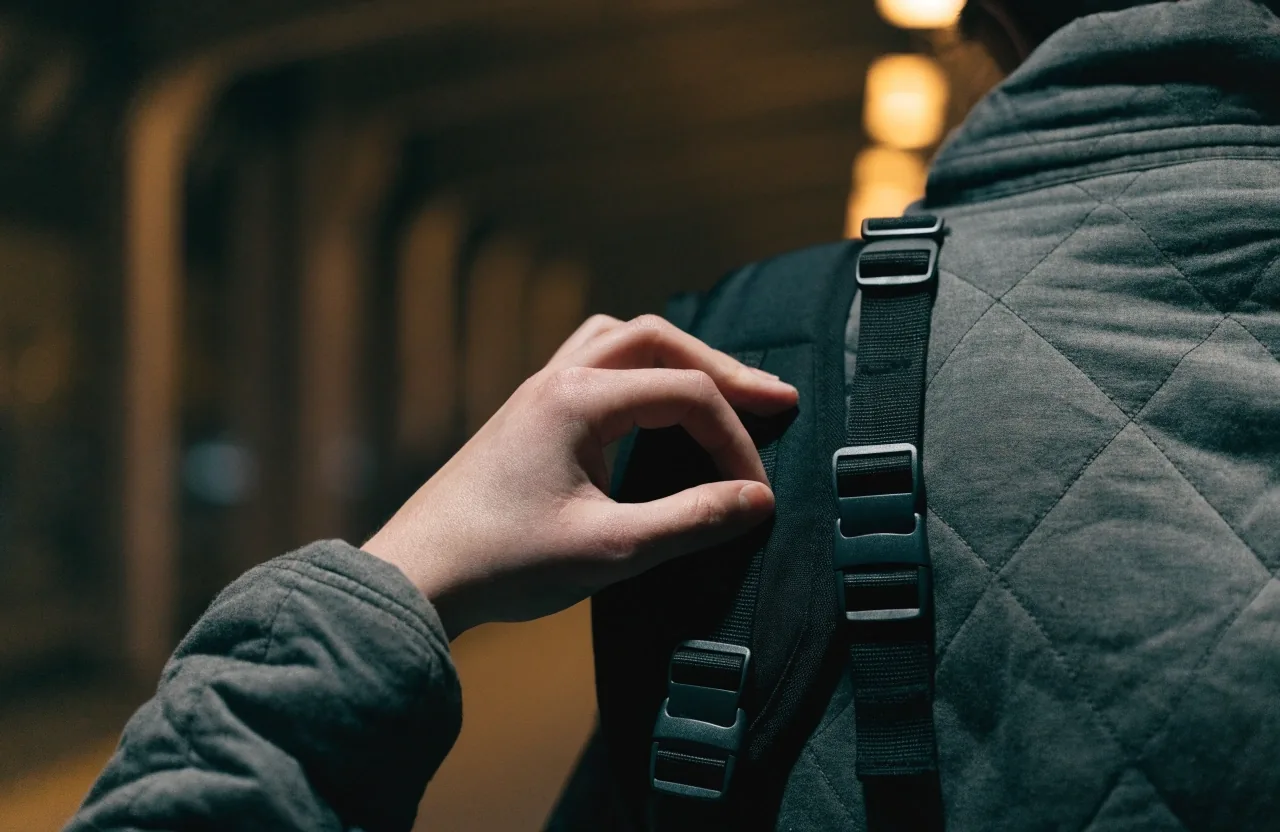
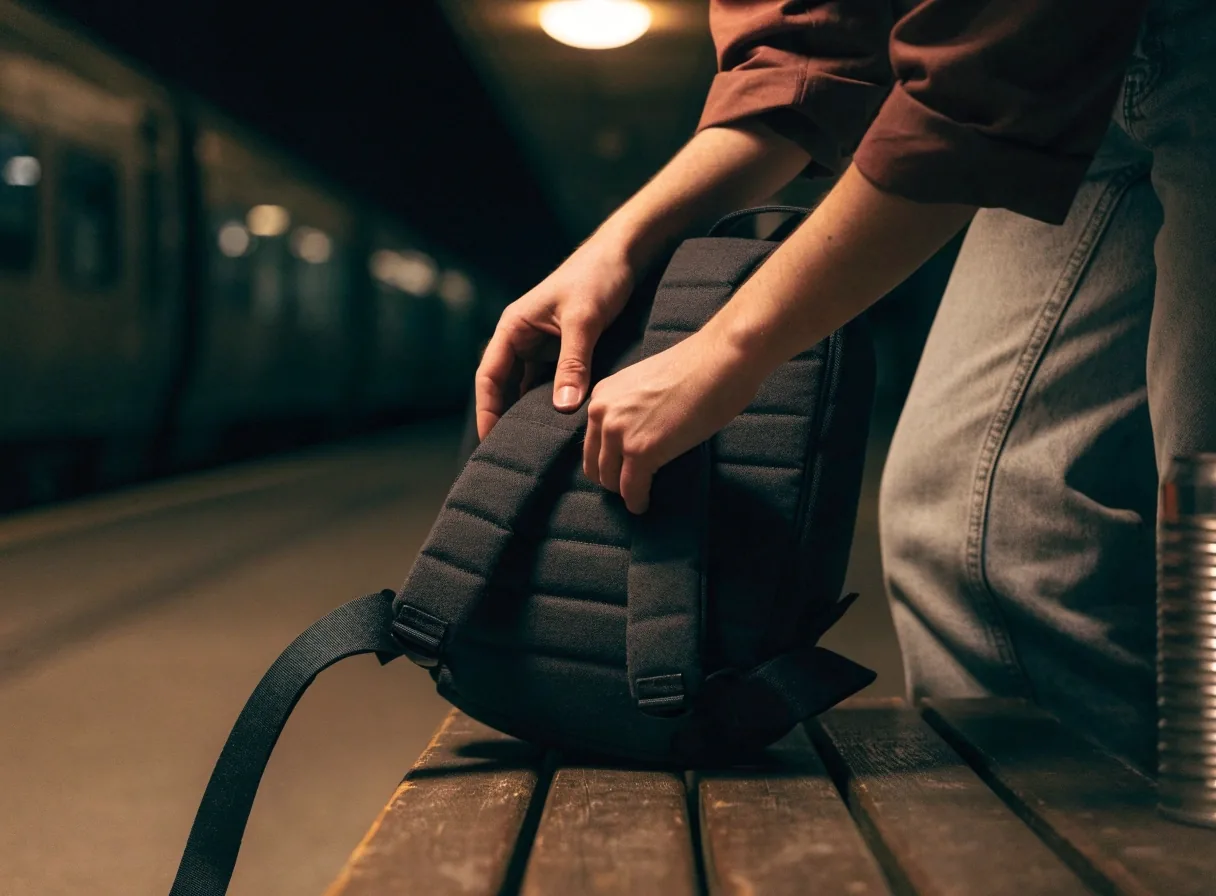
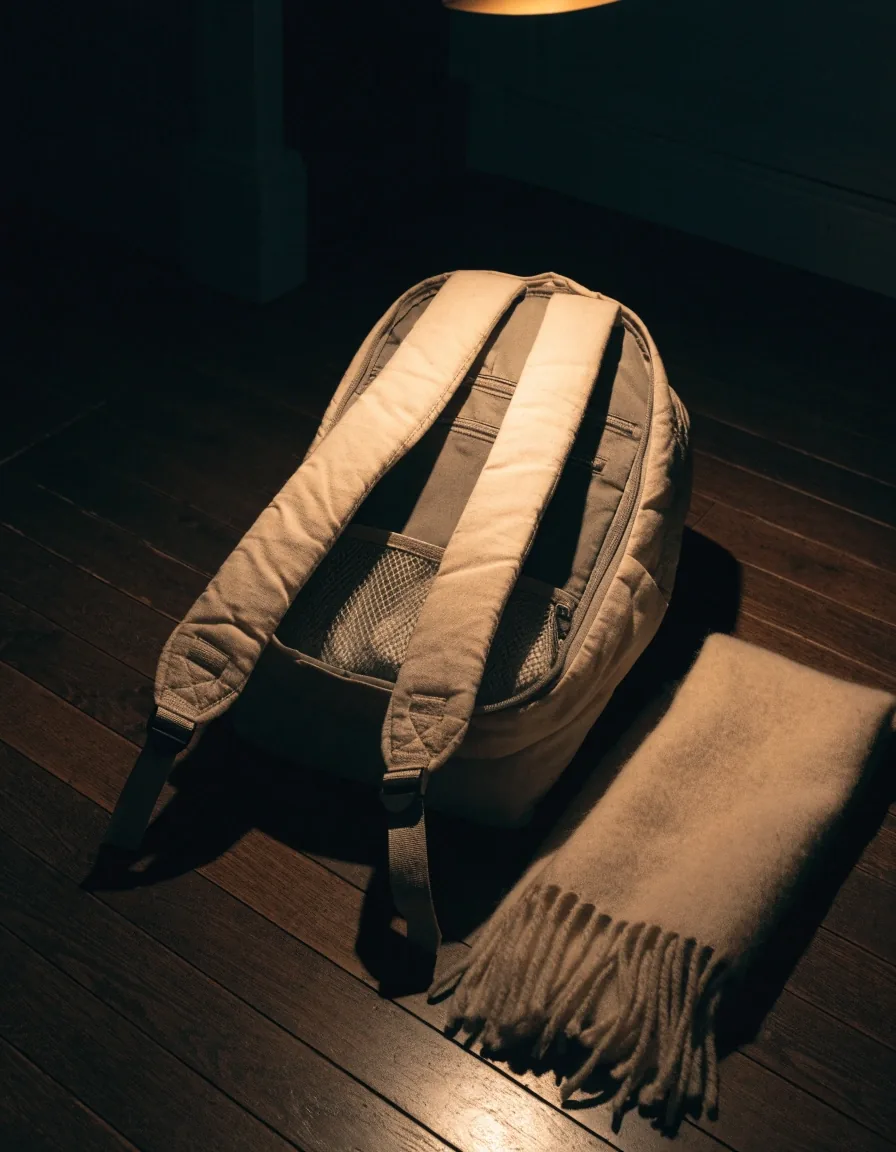
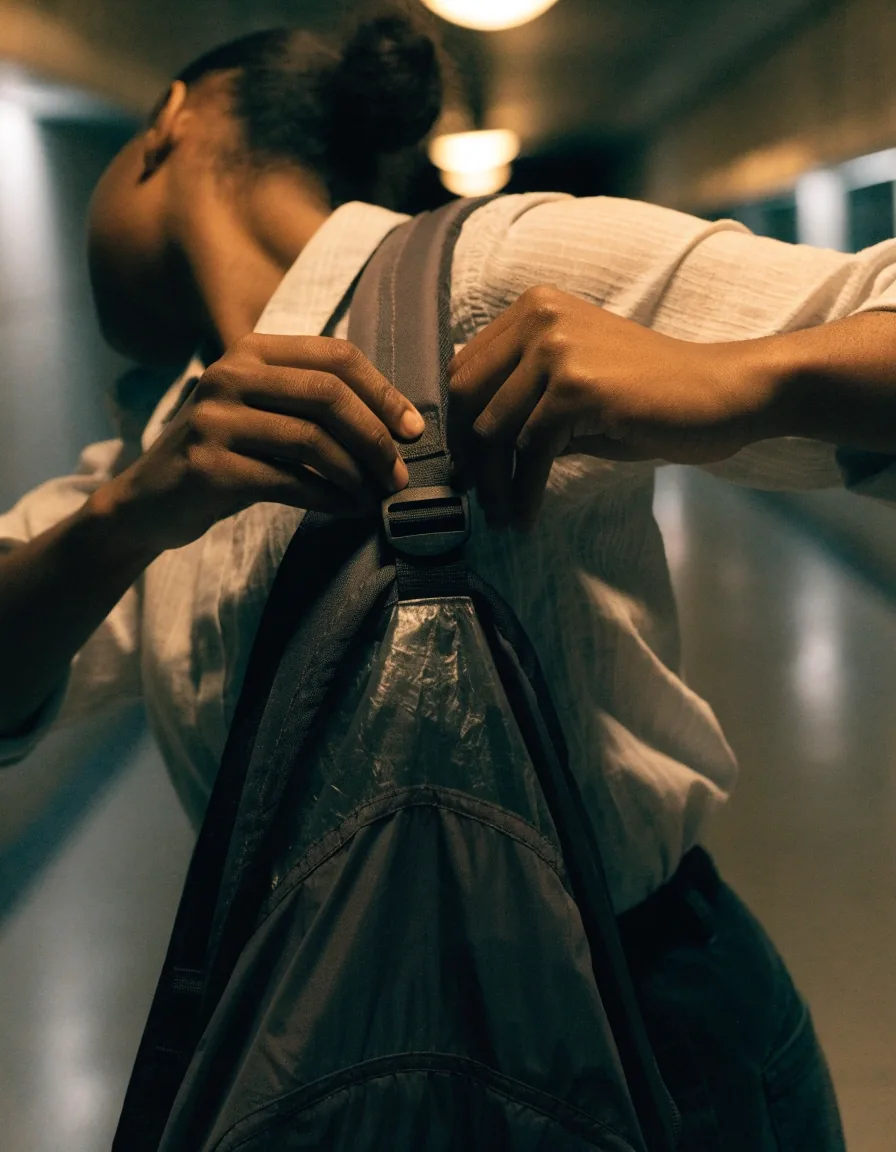
Three things decide whether a pack still feels fine at hour six: how the straps sit, where the weight rests, and whether the back panel breathes. None of them show up in a pocket count.
Berth three — materials in daily rotation
Featherweight fabric, all-day carry
Featherweight is the signature water-repellent fabric used across the Large Bancroft Backpack and much of the range. It is lighter than a coated canvas, it wipes clean with a damp cloth, and it keeps its shape when the pack is only partly full. On a wet commute that last point matters more than the weight saving: a pack that slumps on your back puts the load in the wrong place.
Quilted cotton is the other material you will meet often. It is softer, quieter against a jacket, and better suited to a light-load day than to a heavy one, because it folds rather than holds. Neither material is a durability claim, and neither is a warranty. What they change is how the bag behaves on your shoulder, how it looks after a wet walk, and how quickly you can wipe it down before the next trip.
Campus days and commutes need different things
A campus day is a long day with a lot of standing. Between buildings, in a lecture hall, on a bus, the pack is on your back more than it is on a desk, so the priorities are a tall back panel that spreads the load and straps you can tighten without a struggle. The Large Bancroft Backpack is sized for that pattern: a laptop sleeve, enough depth for a folded layer, and a shape that stays upright when you set it on the floor beside a chair.
A commute is shorter and more predictable. You know the walk, you know the weather, and you know what you carry. That favors a slimmer profile that does not knock against a stranger on a crowded train, with one outside pocket for a bottle and a top zip you can open without taking the pack off. If your commute includes a stop for groceries, choose the deeper shape; if it is door to desk, the slimmer one is easier to live with.
Both patterns break down in the same place: the bag gets loaded heavier than its shape can carry. A soft pack that holds a laptop, a lunch container and a pair of shoes starts to sag at the base, and once it sags the straps stop doing their job. Keep the load inside what the silhouette was drawn for and the same bag stays comfortable for years.
Quick read
Campus: tall panel, tight straps, load spread. Commute: slim profile, one outside pocket, top zip access.
Where to go next
Duffel & Weekender Guide 2026 Bag TrendsQuestions that come up before a first backpack
How do I know which backpack shape suits me? +
Start with the load, not the look. Write down what you carry on an average day, then compare it with the silhouette table above. If your average day includes a 15-inch laptop and a layer, a campus pack or a structured work pack fits. If it is a tablet, a book and a bottle, a slim pack carries it without the extra bulk.
What makes a backpack comfortable on a long walk? +
Straps that sit flat on the shoulder without digging, a back panel that keeps the load close to your spine, and a weight you can tighten into place. Adjust both straps so the pack rides high on your back rather than hanging low. If you can feel the bottom edge against your lower back, the straps are too loose.
Is Featherweight fabric suitable for daily use? +
It is designed for it. Featherweight is water-repellent and wipes down with a damp cloth, which makes it a practical choice for a pack that travels with you every day. Like any soft fabric it will show wear over time, so check the care notes for the cleaning method that suits the specific piece.
How should I pack a backpack so it stays balanced? +
Heaviest items against your back, in the middle of the pack rather than at the bottom. A laptop in the padded sleeve counts as heavy, so put soft items around it instead of underneath. Small items go in the front organiser, and anything you need while walking goes in a pocket you can reach without taking the pack off.
Do backpacks work for travel as well as daily carry? +
For a short trip, yes, especially if you keep the load light. A structured work pack handles a weekend if you pack in flat layers. For anything longer, a duffel bag or weekender carries more comfortably because it spreads the weight across a different part of the body. The duffel and weekender guide covers that comparison in more detail.
Pick the shape, then live with it for a week
The clearest test of a backpack is an ordinary week: a commute, a class day, one errand that turns into two. If the straps need adjusting twice a day, the shape is wrong for your route. If you forget it is there, you have found the right one. For a bag with a different carry pattern, the duffel and weekender guide and the purse and crossbody notes cover the other two shapes in the Vera Bradlay Day range.
Vera Bradlay Day is an editorial resource, not a shop. We write about bag shapes, materials and styling. Questions about the guide go to [email protected] or +1-212-555-0194, Monday to Friday, 9:00 AM to 6:00 PM. The desk is at 452 W Broadway, New York, NY 10012.