The shift toward softer, curvier shapes
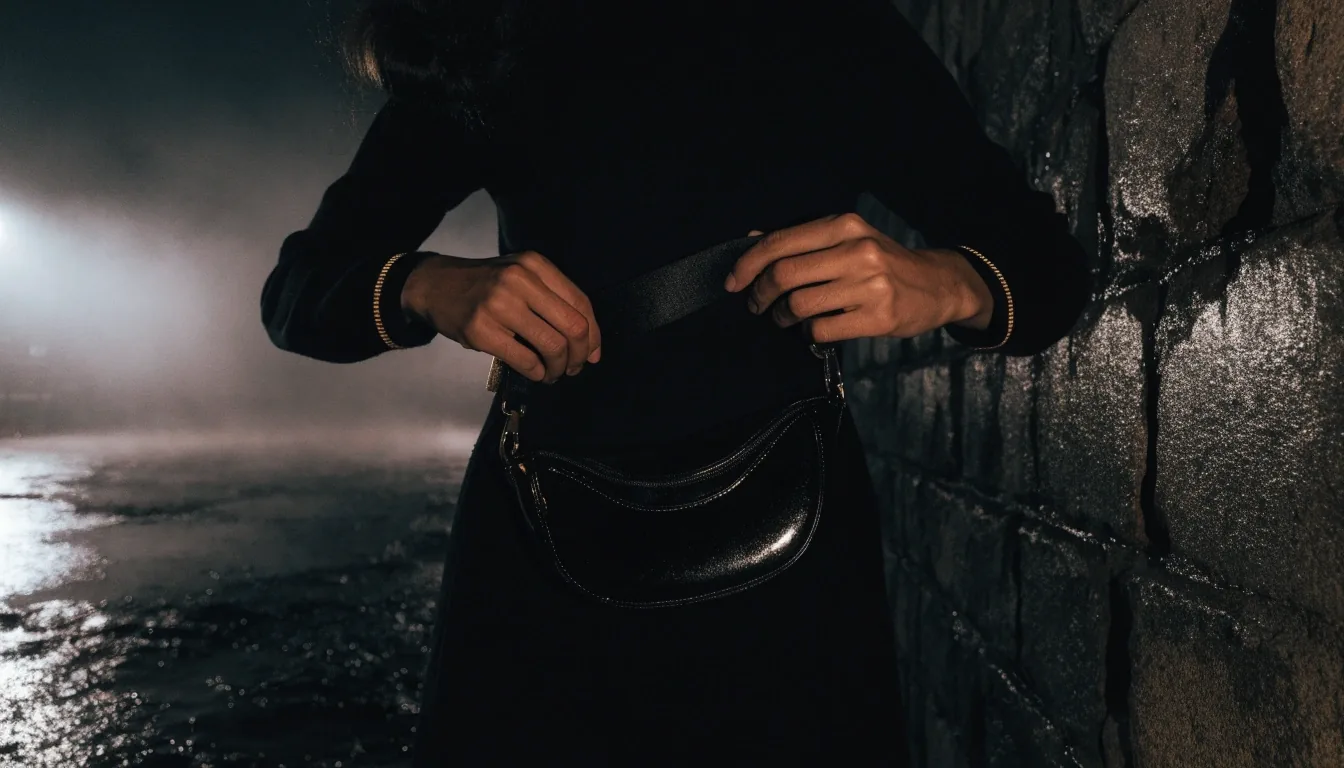
Run your hand along the bag racks in any New York shop window this season and the change is easy to feel. Corners have been rounded off. Structured satchels that held a hard vertical line are giving way to shapes that slump slightly when you set them down — a crescent, a half-moon, a soft trapezoid that folds where it meets your hip. The look is calmer and less architectural, and it changes how a bag carries: the weight sits closer to the body instead of pulling away at the top edge.
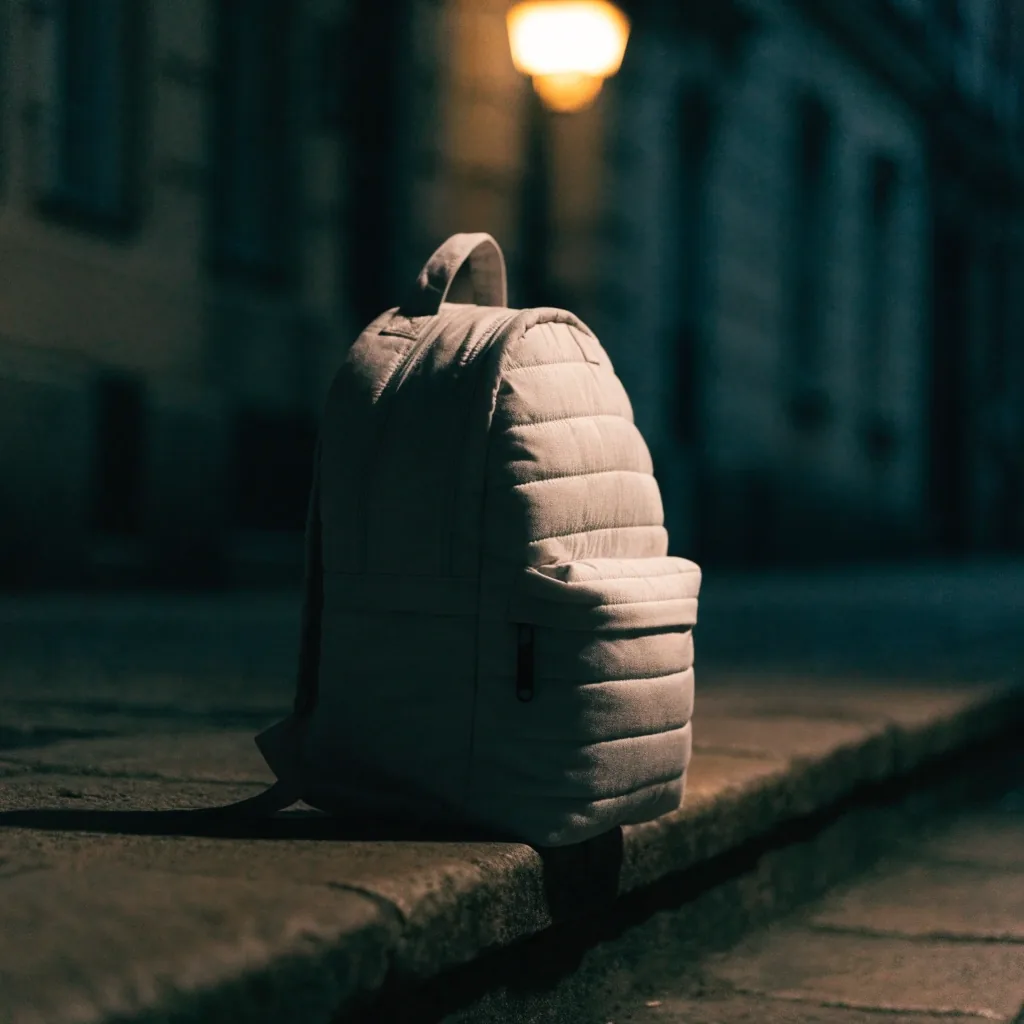
This is not a small adjustment to a few silhouettes. It runs through the whole family. Backpacks are losing their rigid laptop-box profile in favor of a rounded top and a softer panel that follows the spine. Duffel bags are arriving with a wider mouth and a gentler arc across the top. Purses are shrinking their hardware and letting the leather or fabric do the shaping. If you are planning one refresh this year, the crescent is the single most visible place the direction shows up.
Vera Bradley has been working in rounded, quilted shapes for years, so much of this season's direction already sits inside the line rather than arriving from outside it. The difference for 2026 is how the curves are cut: fewer hard seams, more continuous panels, and a lighter touch on the trims that used to define a shape.
What to look for first
- A curved top line that stays open when the bag is unzipped, rather than collapsing closed.
- Strap attachment points set lower on the body, which keeps a soft shape from swinging out.
- A base that holds its own shape when you set the bag down — softness at the top, structure at the bottom.
The crescent bag, and why it reads as new
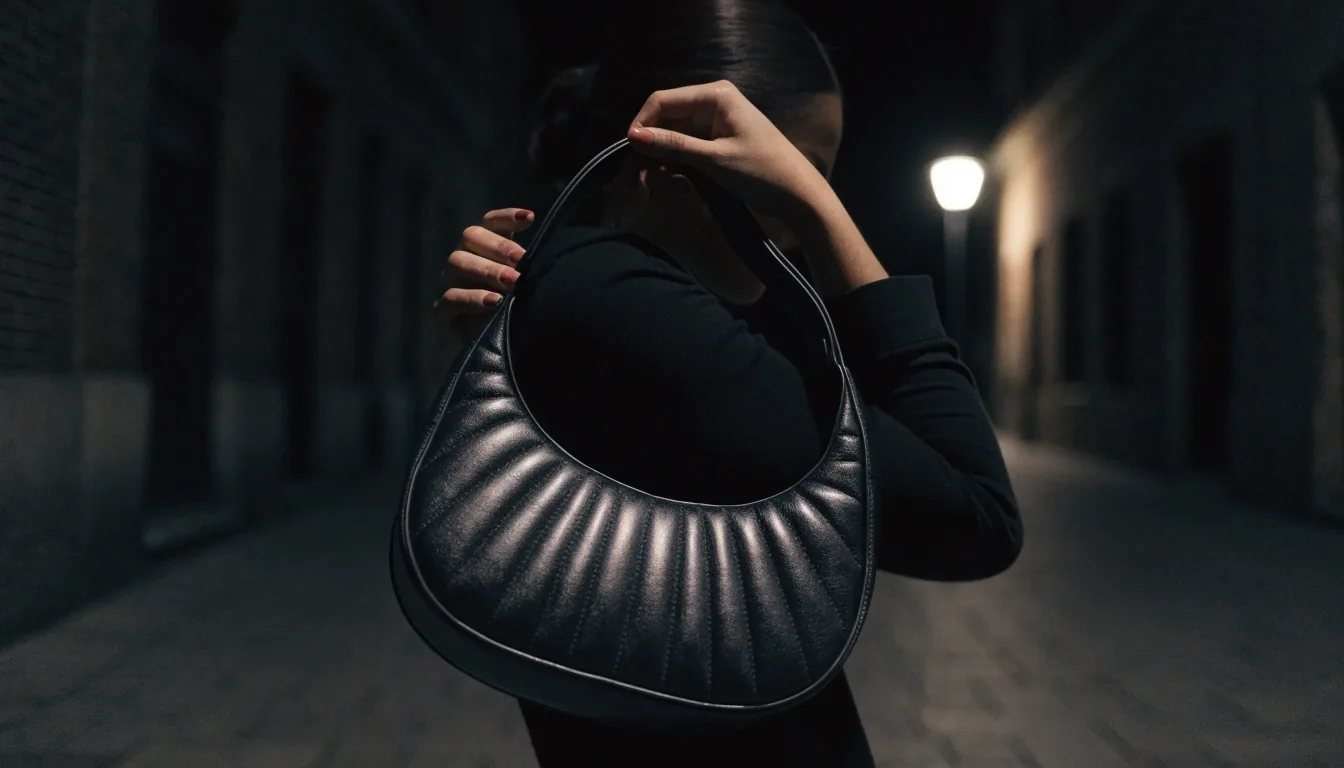
A crescent bag is a shallow, curved pouch that follows the line of the hip or the forearm. It sits under the arm rather than beside it, which is why it looks different from a tote or a satchel even at the same size. The shape has appeared in small doses before, but 2026 is the season it moves into the main rotation of everyday bags rather than staying a special-occasion piece.
What makes the current version easier to live with is the base. Earlier curved bags had a habit of rolling over and spilling when you set them down. The newer cuts flatten the bottom slightly, add a light structured panel, or hide a stiffener inside the seam so the curve reads at the top while the base stays put. If you are comparing two crescent purses, pick them up, set them on a counter, and see whether they stay upright. That single test tells you more than the strap length.
Crescents also solve a practical problem for anyone who carries a phone, a cardholder, and keys and little else. A smaller curved purse keeps that load close to the body without the bulk of a structured flap bag. For days that need more room, the same curve shows up in a larger crossbody, which is where the shape starts to overlap with the styling advice in our purse and crossbody styling guide.
One caution worth naming: a very shallow crescent holds its shape but not much else. If you carry a tablet or a water bottle, the same direction is better served by a rounded-top backpack, where the softened silhouette meets a real volume. Matching the curve to the load is the whole decision.
Personalization is the detail layer of 2026
The second half of the season's direction is not about shape at all. It is about what you attach, monogram, or swap onto a bag you already own. Bag charms, woven straps, and stitched initials are doing the work that a new silhouette used to do, and they let a single bag read differently from week to week without buying anything else.
Charm placement matters more than charm count. A single charm hung from the zipper pull or the strap ring reads as a considered detail; a cluster on the front panel competes with the bag's own pattern. On a quilted or printed bag, keep the charm in a solid tone so it separates from the fabric. On a plain bag, a patterned or textured charm is the one place a little noise helps.
Materials and care notes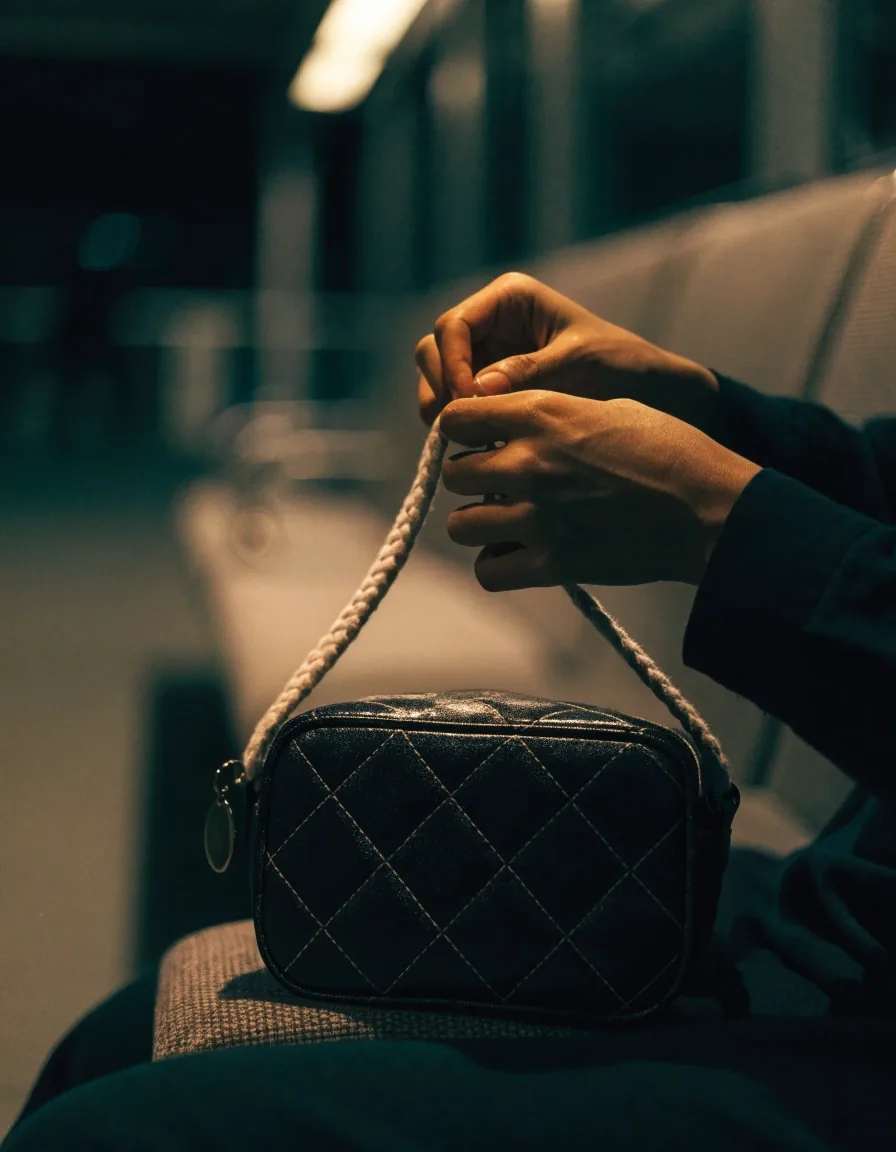
Six shapes worth comparing before you refresh
Each row names a bag family, the 2026 read on it, what it carries well, and the detail to check in person. Rows follow the direction described above, not a ranking.
Comparison reflects current shape direction, not brand rankings
How to plan a 2026 refresh without overbuying
-
1
Audit what you already carry. Set three bags on a table and note which one you actually reach for. If one has not left the closet in a year, its shape is probably the reason — usually too rigid at the top or too deep to reach into.
-
2
Pick one curved shape to add, not three. A crescent purse covers small daily loads; a rounded-top backpack covers the commute. Choosing both at once usually means one sits unused.
-
3
Decide the detail layer separately. A charm, a woven strap, or a monogram is a smaller spend than a new bag and changes how the one you own reads. Buy it after the shape, not with it.
-
4
Check the material before the color. A softer silhouette shows wear differently than a structured one, so read the care guidance for the fabric or leather first. Our materials and care notes cover the common finishes.
-
5
Test the carry loaded, not empty. Most shape problems only appear with weight inside, so bring what you normally carry when you compare in person.
Questions readers send us
Short answers to the questions that come up most when people plan a bag refresh for the year ahead.
Is the crescent shape practical for every day? +
Yes, if the base holds its shape. A crescent carries a phone, cardholder, keys, and a small pouch comfortably. It stops working when the bottom rolls, so set the bag down before you decide.
Do bag charms damage the fabric underneath? +
A charm hung from a strap ring or a zipper pull barely touches the body of the bag. A heavy charm clipped directly onto a quilted or printed panel can leave a mark where it rests, especially on lighter fabrics, so keep the weight on the hardware.
Are softer silhouettes harder to keep clean? +
They show creasing where the bag folds, and that crease collects dust sooner than a flat panel. Wiping the fold line on a regular schedule keeps it from looking worn. Structured bags hide that line, but they show scuffs at the corners instead.
Which bag should I replace first if I only buy one? +
Replace the one you carry most, since that is where a shape improvement shows up daily. For most readers that is the workday bag, which makes a rounded-top backpack or a quilted shoulder bag the practical first move.
Does this site sell any of these bags? +
No. Vera Bradlay Day is an editorial resource — we write about shapes, materials, and styling. There is no shop, no checkout, and no product listing on this site. If you want to ask about something on the page, write to us and we will point you to the right guide.
Reading the season without chasing it
Trend coverage is most useful when it explains why a shape works rather than what to buy this week. Curved bags are winning right now because they carry closer to the body, hold a small load without bulk, and take a personal detail well. Those reasons will still be true after the season moves on, which is the test worth applying before any refresh.
If you want to talk through a shape, a material, or how a strap should sit on your frame, the editorial desk keeps weekday hours. Reach us at [email protected] or call +1-212-555-0194, Monday through Friday, 9:00 AM to 6:00 PM. The desk is at 452 W Broadway, New York, NY 10012.