

Where Vera Bradley bags are read, not sold
An independent U.S. editorial resource on backpacks, duffel bags, and purses: how the shapes carry, what the fabrics do in weather, and which styling decisions hold up past one season. No storefront, no checkout — just the reading.
Six bag families, four things that actually matter
Before you commit to a shape, compare it the way a person who carries it every day would. We track each family against four criteria: how it distributes weight across the shoulder or back, how much it actually holds once the straps and pockets are counted, which fabrics survive a wet commute, and how easily the interior can be emptied and cleaned. The rows below are our working summary; each links to the guide where we unpack the reasoning.
How to read this ledger
Carry feel covers strap width, padding and where the load sits against the body. Capacity is measured with the main compartment closed, pockets empty. Weather notes come from fabric construction, not from a single outing. Care notes name what a routine wipe-down can and cannot fix.
Criteria reflect how the bag is carried day to day, not a ranking.
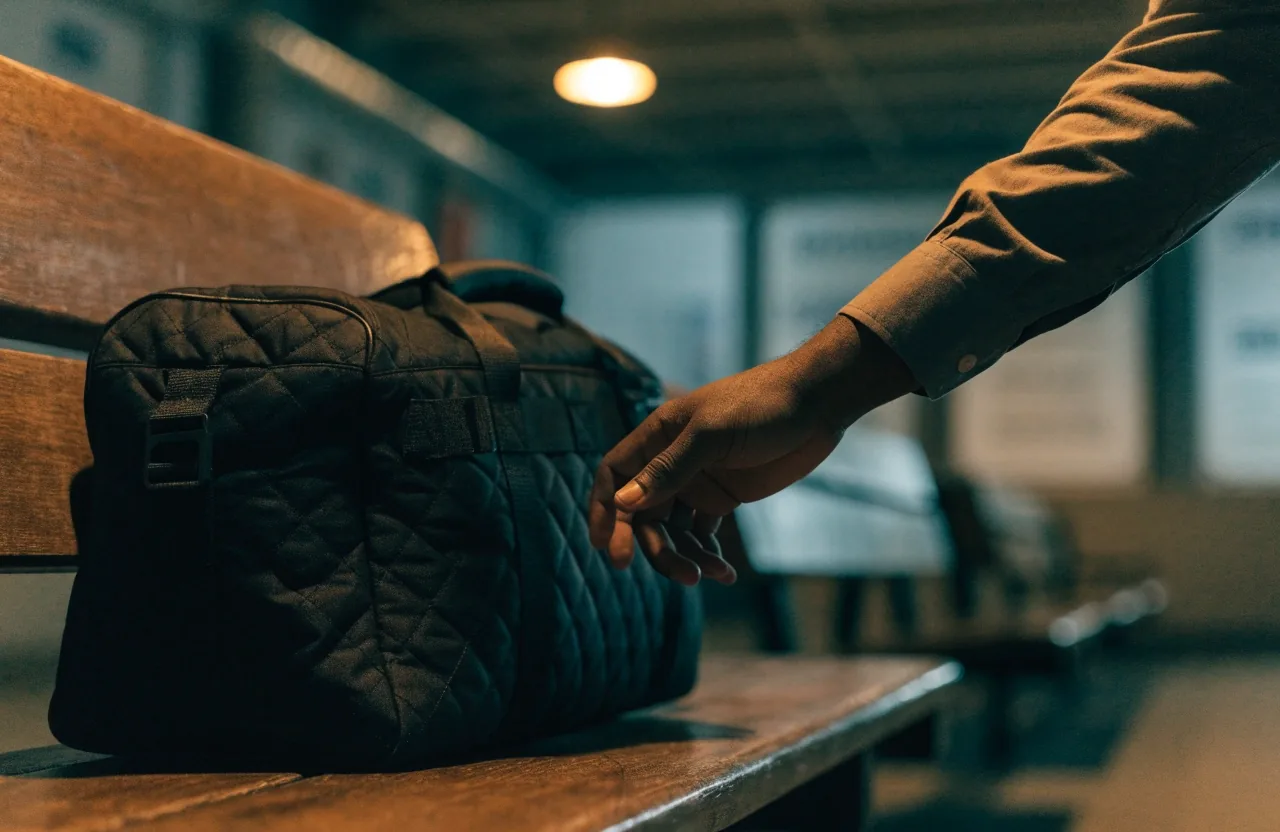
Start where your week actually starts
Most readers arrive with a shape in mind and a set of questions they have not put into words yet. Do you need a backpack that stays comfortable through a long commute, or a duffel bag that opens wide enough to pack for three nights without repacking twice? Those are different problems, and they lead to different bags. We write the guides as decision paths rather than product pages: each one names the carry scenario first, then walks through the construction details, the materials, and the small compromises that show up after the first month of real use.
You will also find styling features here, because how a bag sits against a coat or a pair of shoes changes whether you reach for it. Purse and crossbody proportions get the same treatment as load distribution: strap drop, body length, and where the bag lands when you sit down. Everything on this site is written for people who already own a bag or are deciding which one to live with next — nothing here is for sale, and we do not link out to checkout.
What each guide answers
Which strap shape holds weight without digging in. How much fits once pockets and dividers are subtracted. What a fabric does after repeated wet mornings. Which cleaning step is safe to do at home and which one is not.
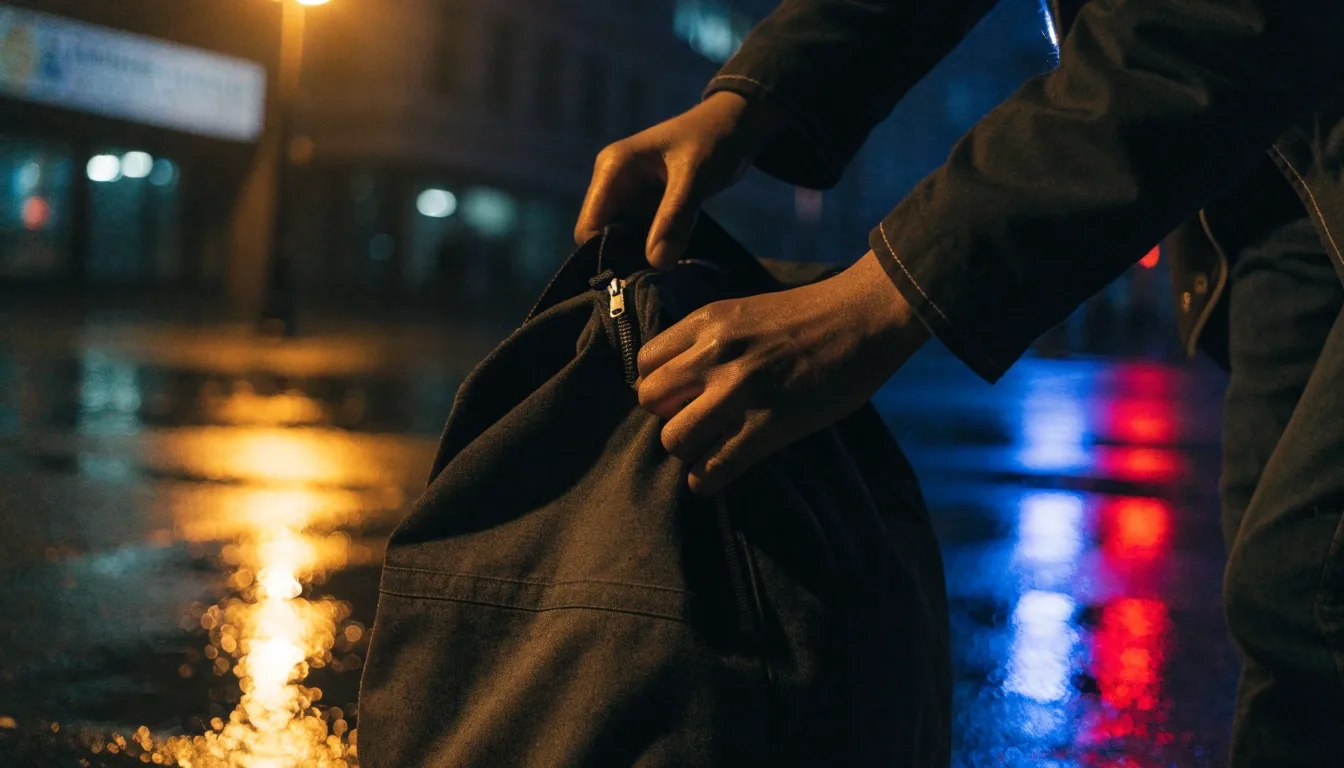
Materials decide how a bag ages
Two bags can share a silhouette and still behave nothing alike after a year. Cotton canvas softens with handling and takes on a slightly worn surface where it rubs against a coat, which some people like and others replace a bag over. A water-repellent woven shell keeps its surface longer but holds a crease if it is folded into a closet for months. Quilted constructions feel lighter against the body but ask for a gentler clean, since the quilting stitches are where dirt settles first.
Our materials and care notes walk through fabric construction, hardware finishes, lining choices, and what a routine wipe-down can realistically handle. We are specific about what we do not recommend: no machine washing of structured shapes, no soaking a bag with leather trim, no heat drying a coated shell. Those are the three mistakes that show up most often in reader questions, and each one has a slower, safer alternative that costs a few minutes and a soft cloth.
Care notes, in short
Wipe, do not soak. Air dry away from direct heat. Store the bag filled enough to hold its shape so curved seams do not set in a crease. Rotate two bags through a wet week instead of one.
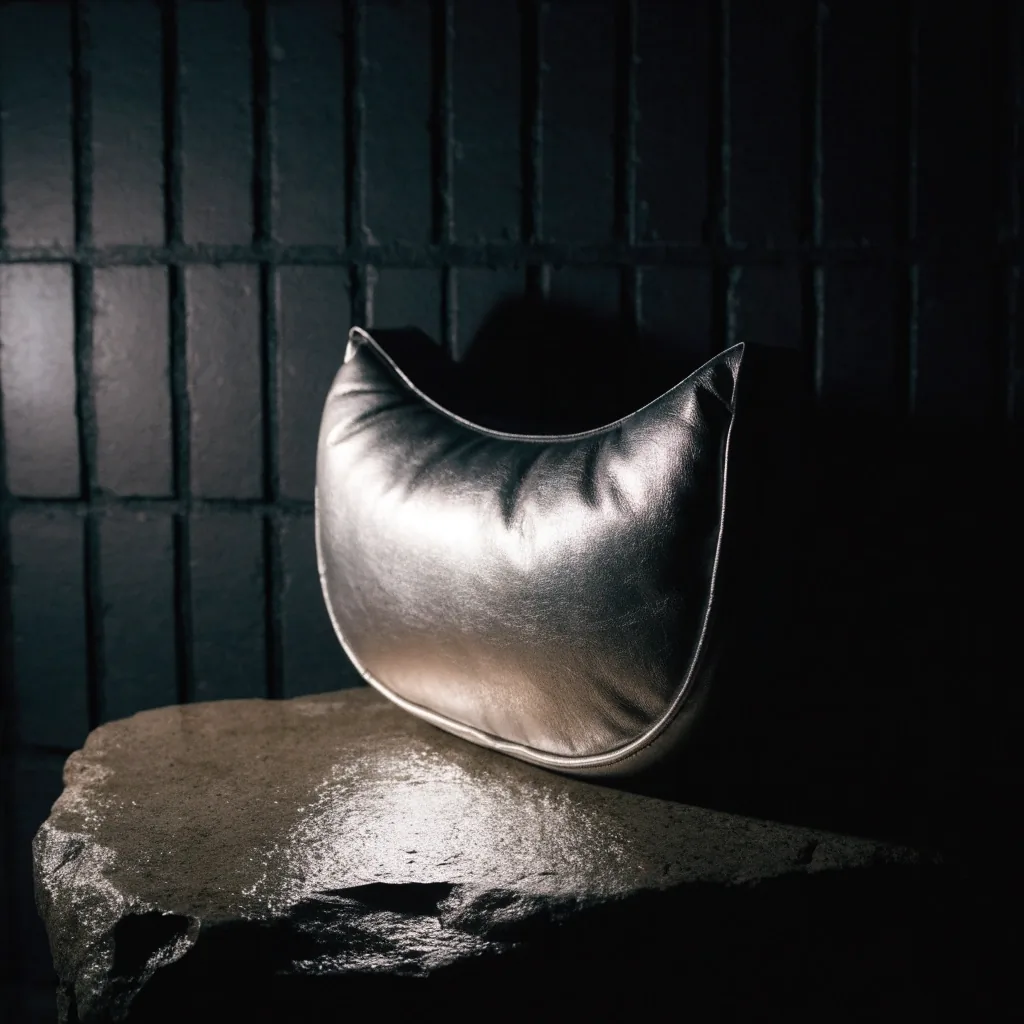
2026 trends, read against what lasts
Trend writing is easy to do badly. Our 2026 bag trends feature looks at the shapes showing up on New York streets and in styling work — the return of compact shoulder silhouettes, softer structure in weekender bags, and warmer neutrals replacing high-contrast color blocking — then asks a plainer question: which of these will still look reasonable in three years? Some will. A few are seasonal and worth knowing about anyway. We separate the two, name the material signals that support each call, and leave you with something you can use the next time you choose between a trend and a staple.
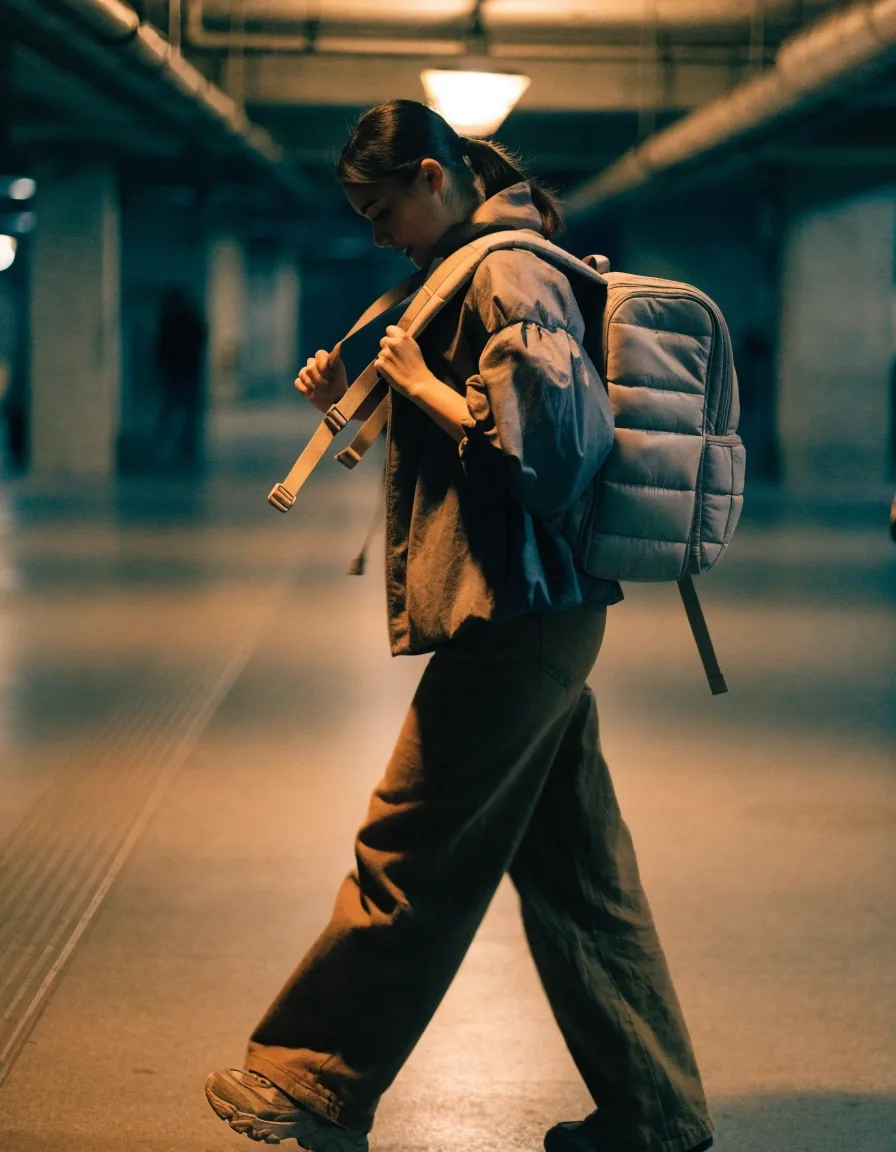
Three styling features worth your evening
Photographs from our own shoots, with the styling reasoning written underneath. Shapes, proportions and the small adjustments that change how a bag reads on a person.


Questions readers send us most
Is this a shopping site? +
No. Vera Bradlay Day is an editorial resource. We write about bag shapes, materials, packing and styling. There is no checkout, no cart and no product listings here — the guides point you toward the questions to ask, not toward a purchase button.
Which guide should I read first? +
Start with the shape you carry most. Commuters and students tend to get the most from the backpack carry guide; people who travel on weekends usually start with the duffel and weekender guide. If you are choosing an everyday bag for lighter loads, the purse and crossbody styling feature covers proportion and strap drop in more detail.
How do you choose what to cover? +
We work from reader questions, from what shows up on the street during a season, and from the practical details that get lost in short product descriptions — weight distribution, lining choices, hardware wear, cleaning limits. If a topic does not help someone decide how to carry or care for a bag, it does not make the desk.
Can I suggest a topic or ask a question? +
Yes — write to [email protected] or call the desk at +1-212-555-0194 during working hours, Monday to Friday, 9:00 AM to 6:00 PM. We keep a running list of reader questions and work the most repeated ones into the guides.
Editorial desk
452 W Broadway, New York, NY 10012. Open Monday to Friday, 9:00 AM to 6:00 PM. Send questions to [email protected] or call +1-212-555-0194.
Contact the deskFour ways to keep reading
Pick the entry point that matches your week: a shape guide, a material explainer, a styling feature, or the trends piece. Every route stays editorial — no product listings, no purchase flow.