
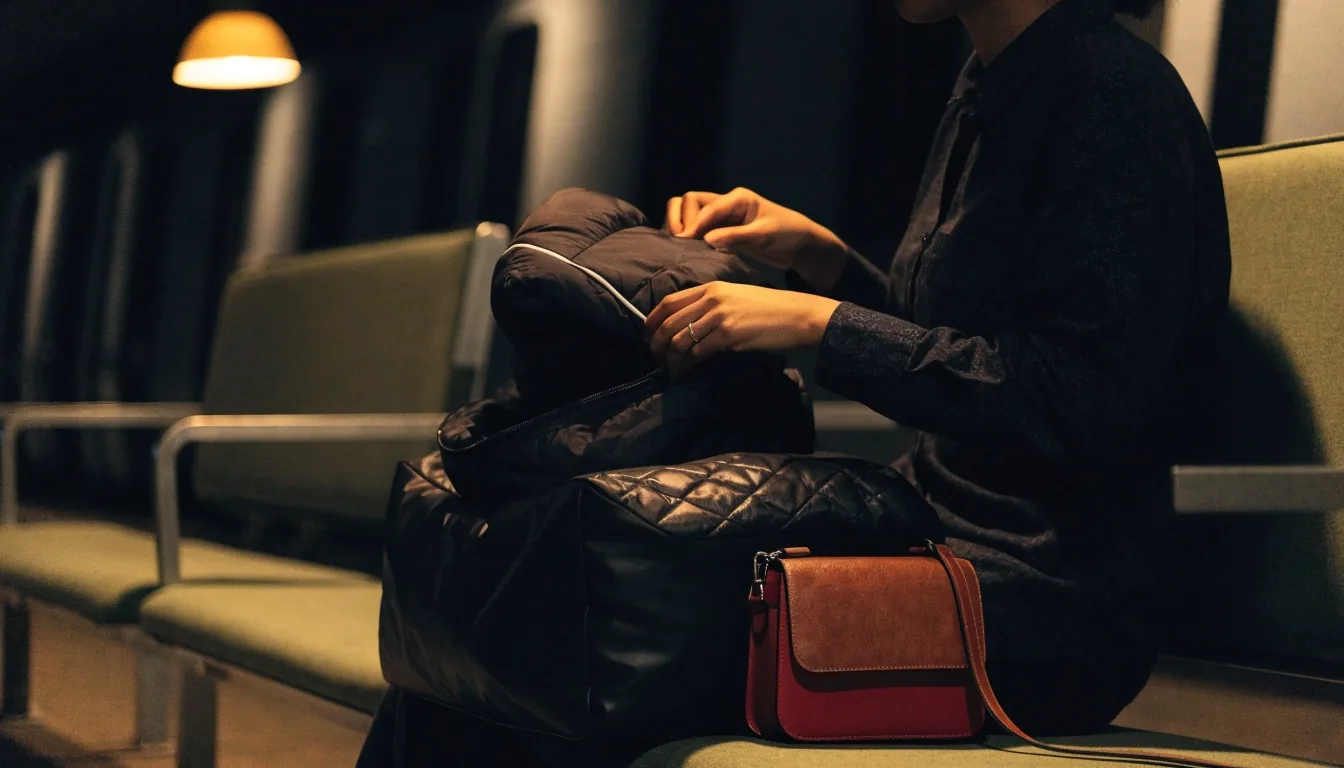
Where a weekender earns its keep
A short trip asks different things of a bag
Overnight and two-night travel is where a duffel and a backpack part company. A backpack distributes weight across your shoulders and stays on your back while you move; a duffel opens wide, packs flat and sits on a rack or a car seat. A weekender is the middle shape — long enough for a folded change of clothes, structured enough to hold its line when you set it down. In the Vera Bradley line the same idea shows up in different sizes, from a small duffel that works as a personal item to a large original duffel bag that swallows three days of clothing. Reading the shape first makes every later choice easier.
One night
A small duffel or a roomy backpack carries a change of clothes, a toiletry pouch and a charger without strain.
Two nights
A mid-size duffel or weekender holds two outfits, shoes in a separate pocket and a laptop sleeve.
Three nights
A large duffel with a wide base packs for a long weekend, and a rolling version takes the weight off your arm.
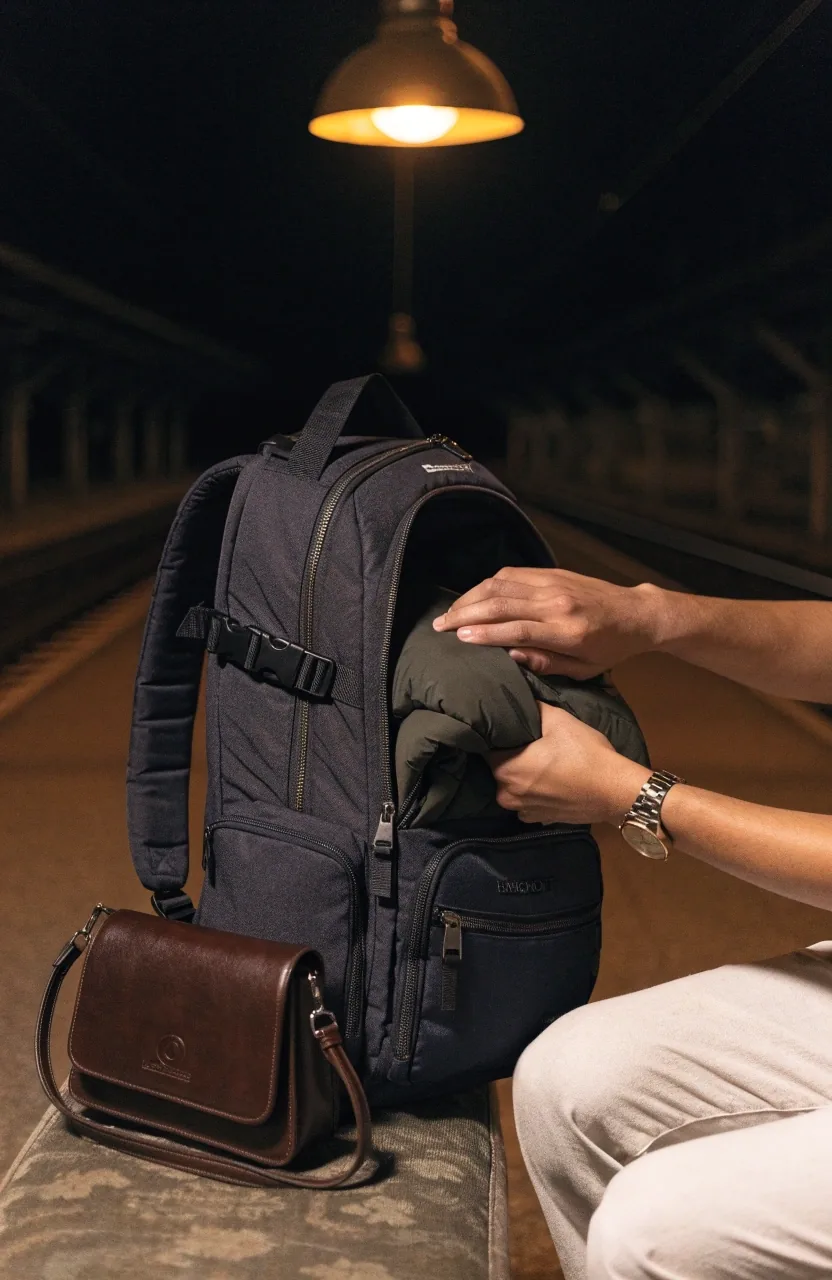
The bag opens wide before it carries anything
Duffel, weekender, backpack: what each one is good at
The three shapes solve different problems. A duffel gives you one wide opening and a rectangular floor, so packing is a matter of laying items flat. A weekender adds a little length and a firmer base, which keeps a folded shirt from sliding. A backpack carries on your back and leaves both hands free, which matters on stairs, trains and city blocks. None of them is the wrong answer; the trip decides.
Packing in one line
Flat items on the floor of the bag, shoes along the wall, soft items on top. Anything you will need first goes nearest the opening.
Ranges describe typical use, not a limit on any one bag
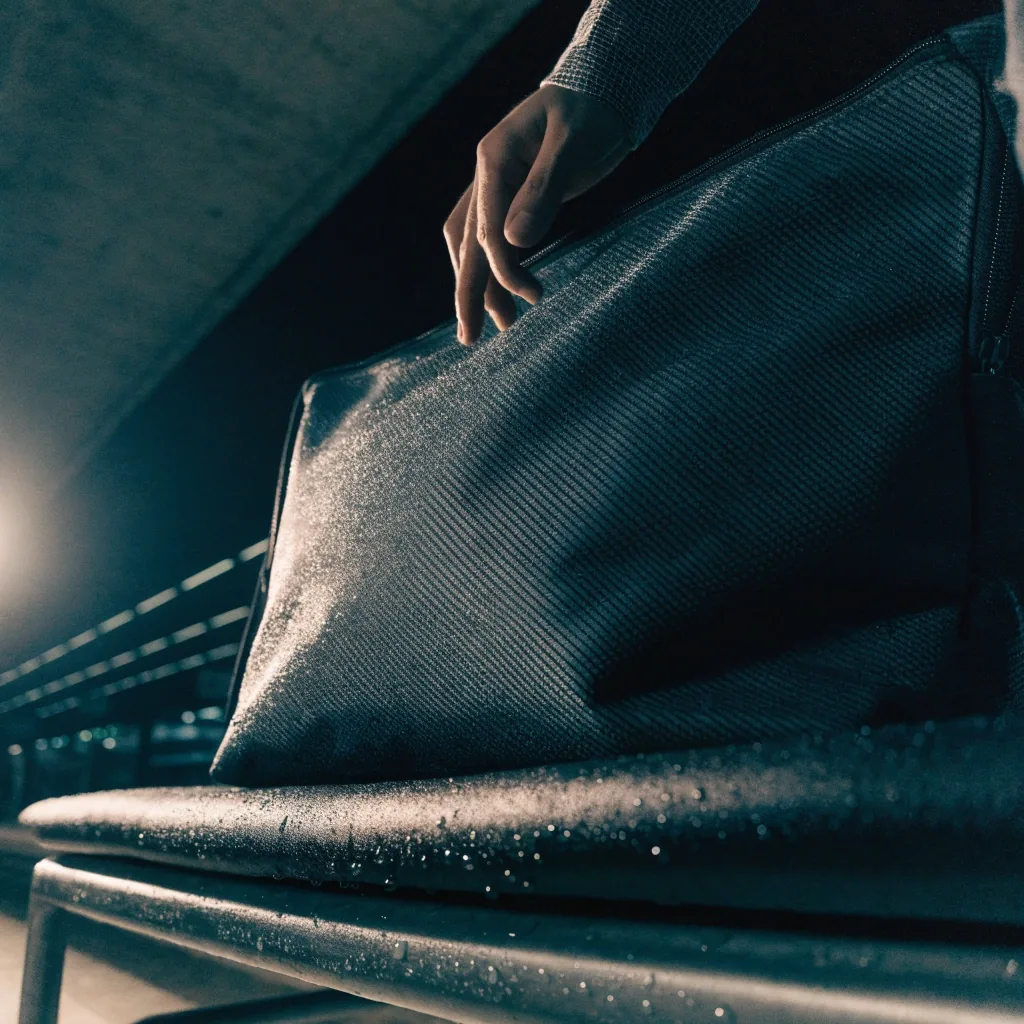
Twill sheds a drizzle; cotton takes the character
A packing order that survives a real departure
Most duffel bags fail at the same moment: everything is thrown in at the last minute and the bag becomes a soft lump with a hard shoe somewhere in the middle. The fix is order, not technique. Lay the bag flat with the mouth open and treat the floor as the first surface.
Start with anything flat and stiff — a folded jacket, a laptop sleeve, a pair of jeans folded in half. They form a base and stop the bag from collapsing when you lift it. Shoes go next, against the two short walls, soles outward, so they do not press on clothing. Then the soft middle: shirts rolled rather than folded, socks and underwear tucked into the gaps. Toiletries and cables go in the last third, nearest the opening, where you can reach them without unpacking the whole bag.
The shape of the trip changes the ratio. A two-night run needs one outfit per day plus a spare layer; a weekender with a separate shoe pocket lets you keep the base clean and still carry a second pair. If you are flying, check the airline's personal-item and carry-on dimensions before you pack rather than after — a fully loaded duffel that sits over the limit is heavier than it needs to be for the whole trip. Purse and crossbody readers can borrow the same logic in miniature; the styling notes for smaller bags cover the everyday version of this order.
Order of operations
- 1Flat, stiff items on the floor of the bag.
- 2Shoes against the short walls, soles facing out.
- 3Rolled clothing in the middle, gaps filled with socks.
- 4Toiletries and cables nearest the opening.
Why order beats folding
A duffel has no frame. Whatever you put in first becomes the frame, so a flat layer at the bottom keeps the bag upright when you set it down and keeps creases off the clothing above it.
Materials that decide the trip
Performance Twill or Premium Cotton changes how the bag behaves
Performance Twill is the practical answer for travel: it holds its shape, resists light rain and wipes clean, which matters when a duffel rides on a floor or a car trunk. Premium Cotton is the softer choice — it feels better in the hand, takes colour deeply and develops a worn patina over seasons of use. Neither one is a durability ranking. Twill suits a bag that gets set down in unfamiliar places; cotton suits a bag you carry close and keep for years. If the trip is mostly indoors and the bag stays with you, cotton rewards the choice. If the bag travels on its own through an overhead bin, a cargo hold or a wet sidewalk, twill is the calmer material.
Four shapes of a short-trip bag
Size is the first decision, and the silhouette tells you most of it before you read a single tag. These are the four postures a duffel or weekender takes when it is actually being used.
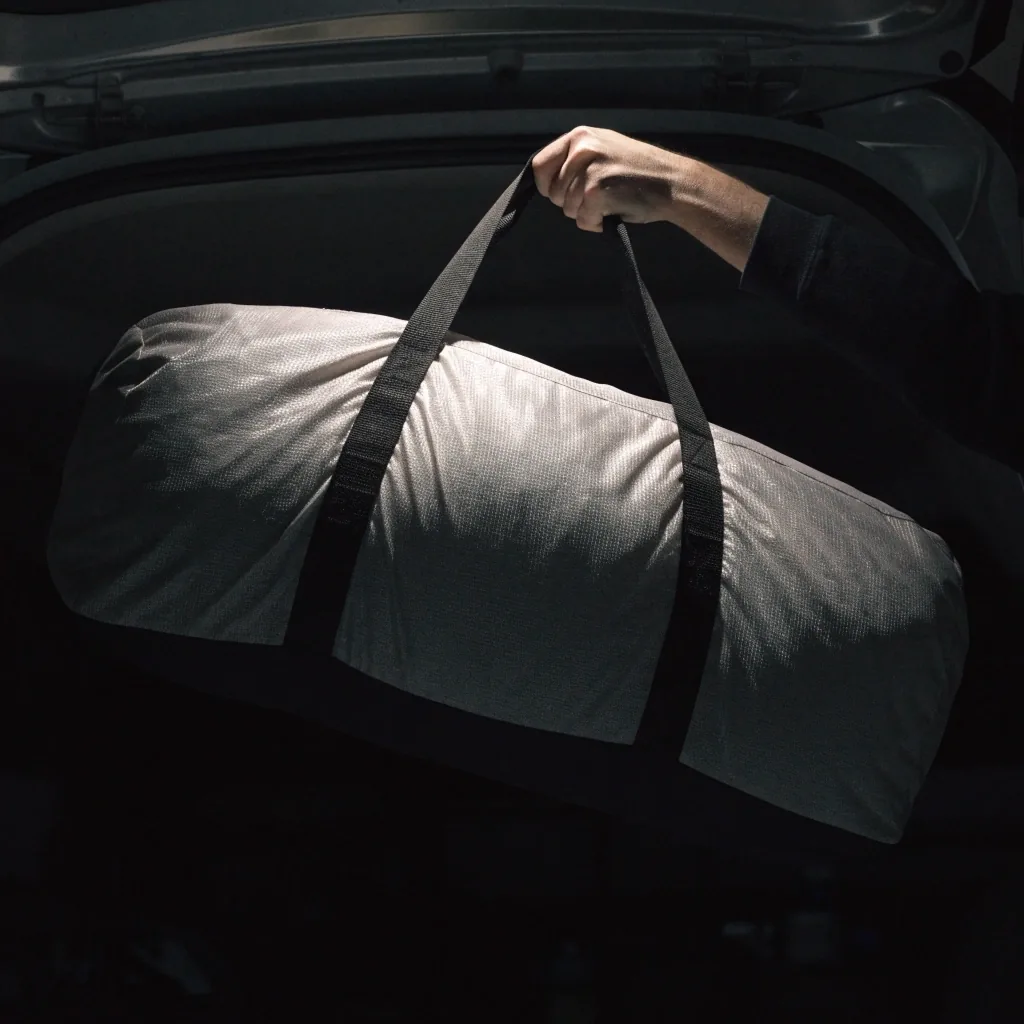
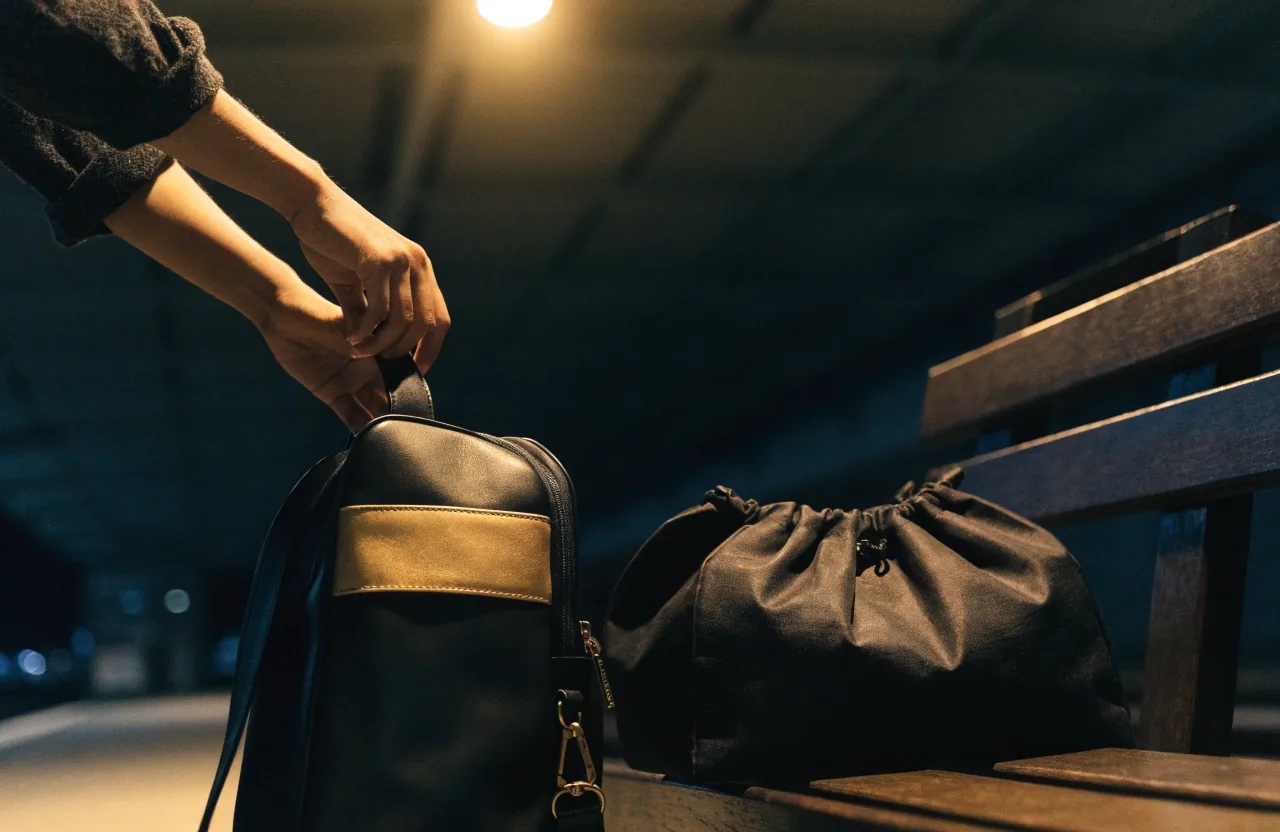
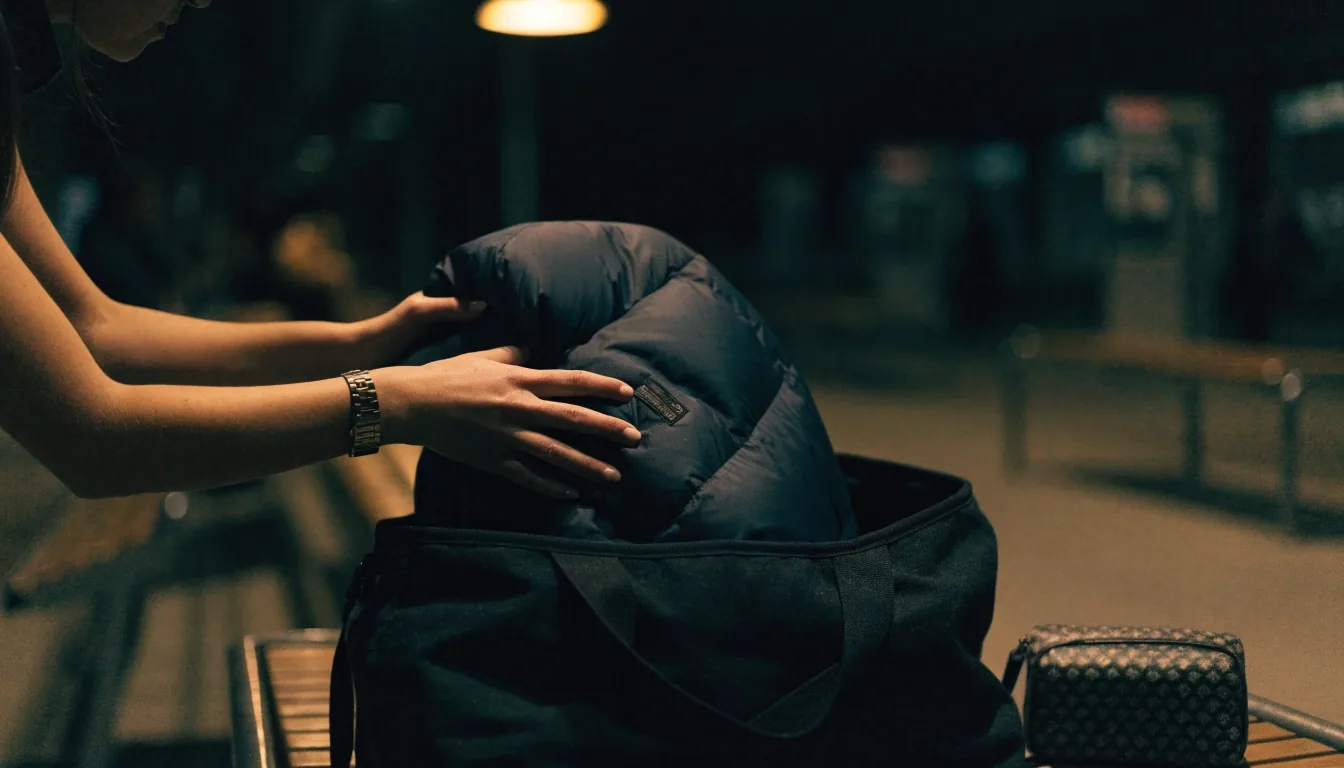
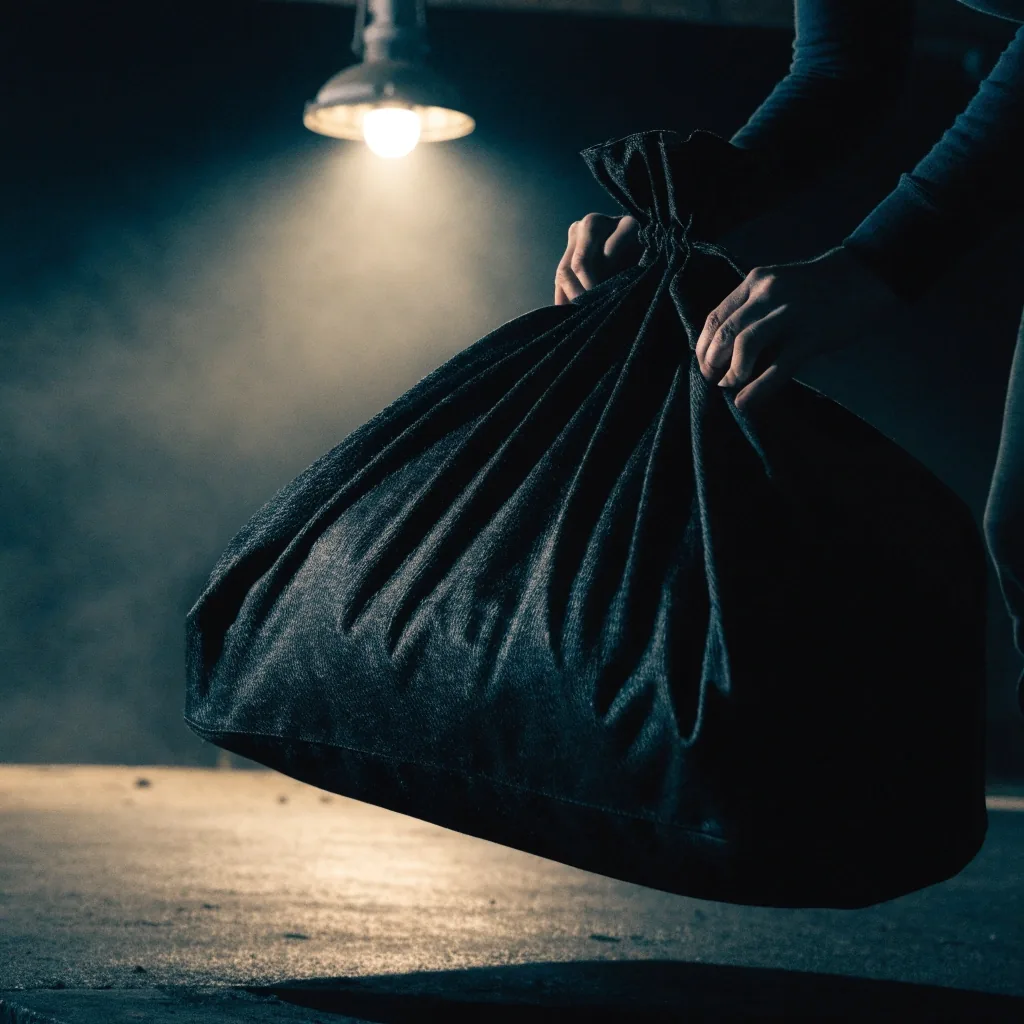
Set it down anywhere and it holds its line
Carry-on fit, weight, and the checks worth doing
A duffel that is comfortable for two nights stops being comfortable at four. These are the checks that catch the problem before you are standing at a gate or lifting the bag into an overhead bin.
Before you pack
Check the airline's personal-item and carry-on dimensions for your route, then measure your bag's widest point with the strap removed. A soft duffel expands when full, so the packed measurement is the one that matters.
Before you lift
Put the heaviest items along the base and closest to your body. A duffel carried on one shoulder pulls sideways; moving the weight low and central keeps the bag from swinging and keeps the strap from digging in.
Before you leave
Run a hand along every seam and around the zipper pull. Loose stitching and a stiff pull are the two wear points that show up first on a bag that is used often, and both are easier to notice at home than on the road.
Questions that come up before a short trip
Is a weekender the same as a duffel bag?
They overlap. A weekender is usually a little longer and a little firmer at the base, sized around two nights of clothing. A duffel is the broader family name for any soft cylindrical or rectangular bag with a wide opening and a handle or strap. In practice the words are used interchangeably for the same shape.
How much fits in a large original duffel bag?
Packed with a flat base and rolled clothing, a large duffel covers a three-night trip: two or three outfits, a spare layer, shoes along the wall and a toiletry pouch near the opening. Adding a laptop sleeve and a second pair of shoes usually pushes it toward a four-night bag.
Does Performance Twill feel stiff at first?
It starts with more body than cotton because the weave is tighter and the finish is there to shed water. It softens with use, especially around the handle and the top seam where the bag flexes most. If you prefer a bag that feels broken in from day one, Premium Cotton is the closer match.
When is a backpack better than a duffel for a short trip?
When you will be walking or standing with the bag for long stretches — a train platform, a city block, an airport queue. A backpack keeps both hands free and puts the weight on your shoulders. A duffel is easier to pack, easier to open and easier to set down, which is why it tends to win when the bag spends most of the trip sitting somewhere.
Where to go next
This guide sits alongside the rest of the editorial desk: carry methods for backpacks, styling notes for purses and crossbody shapes, and a closer look at the fabrics behind every Vera Bradley bag we write about. No selling, no product listings — just how the shapes work and how to choose between them.
Keep reading
Questions about a specific shape or fabric? Reach the desk at the contact page, Monday to Friday, 9:00 AM to 6:00 PM.